


The best loan for home remodel depends on three things: how much equity you have, how large the project is, and how fast you need the money. Homeowners with strong equity often save the most with a home equity loan or line of credit.
Those without equity, or who want to keep their mortgage untouched, typically turn to personal loans or government-backed options like the FHA 203(k). There is no single best answer. The right financing option changes based on your credit score, your budget, and the scope of the renovation project.
A2Z Construction Management, a licensed general contractor serving New Jersey and New York, works with homeowners at every budget level. Understanding how each loan works before you sign anything puts you in a stronger position when the project starts.
Key Takeaways
- The best loan for your home remodel depends on your equity, project size, and timeline not a single option works for everyone. Homeowners with strong equity typically save the most with a home equity loan or HELOC, while those without equity or who prefer to keep their mortgage untouched should explore personal loans or government-backed programs.
- Match your loan type to your project size: personal loans work best for projects under $50,000, home equity products suit mid-range renovations between $25,000 and $75,000, and cash-out refinances or FHA 203(k) mortgages are better for full-scale renovations above $100,000.
- Your credit score and home equity directly affect your qualification and interest rate—most personal loans require a score of 660 or higher, home equity products start at 620, and FHA-backed loans may go as low as 580. Know your minimum before applying to avoid wasting time on loans you won't qualify for.
- Government-backed options like FHA Title 1 and 203(k) loans offer more flexibility if you have limited equity or a lower credit score, making them worth exploring before dismissing yourself as ineligible for better rates.
- Add a 10% to 15% contingency to your estimated project cost before calculating your loan amount. Hidden wiring, plumbing, and framing issues are common in older homes and regularly push budgets beyond initial estimates.
Best Way to Finance Home Renovations
The best way to finance home renovations starts with a clear picture of what you need to borrow and what you qualify for. Every loan type has trade-offs. Some offer lower rates but require your home as collateral. Others fund faster but charge more in interest. The sections below break down the factors that matter most before you apply.
Loan Amount and Project Size
Smaller projects under $15,000, like a bathroom refresh or new flooring, often make sense with a personal loan or a credit card with a promotional rate. Mid-range renovations between $25,000 and $75,000, such as a kitchen remodel, typically call for a home equity loan or a line of credit HELOC. These give you a larger loan amount at a lower rate.
Full-scale renovations above $100,000 usually require either a cash-out refinance or a government-backed renovation mortgage. The loan amount should match the project scope. Borrowing too little forces you to cut corners. Borrowing too much adds years of unnecessary payments.
Credit Score and Equity Requirements
Your credit score affects both approval odds and the rate you receive. Most personal loans require a score of 660 or higher for competitive terms. Home equity products often start at 620, but the best rates go to borrowers above 740. Government-backed programs like FHA Title 1 loans have more flexible score thresholds, sometimes as low as 580.
Equity matters just as much. If you have 20% or more equity in your home, you can access lower-rate secured products. If you bought recently or your home value hasn't risen much, unsecured loans or FHA programs may be the only realistic path.
Banks, Credit Unions, and Online Lenders
Banks and credit unions sometimes offer rate discounts to existing customers. Credit unions are nonprofit and member-owned, so their rates on home improvement loan options tend to run slightly below average. Online lenders usually approve faster and accept a wider range of credit profiles, but they may charge origination fees that banks waive.
Compare at least three offers. Most lenders let you prequalify with a soft credit pull, which means you can shop rates without hurting your score. The difference between a 7% and 12% rate on a $50,000 loan adds up to thousands over the repayment term.
Interest Rates and Repayment Terms
Fixed interest rates give you a predictable monthly payment for the life of the loan. Variable rates start lower but can rise over time. Most personal loans carry fixed rates with loan terms between two and seven years. Home equity loans also carry fixed rates, usually with terms between five and thirty years.
HELOCs typically come with variable rates and a draw period of five to ten years, followed by a repayment period. The shorter your repayment term, the less total interest you pay, but the higher your monthly payment. Match the term to what your budget can handle without strain.
Home Improvement Loan options
Three types of loans cover most renovation projects for homeowners who want to finance home improvements through conventional lenders. Each one works differently, and each fits a different situation.
Personal Loans for Home Remodels
A personal loan gives you a lump sum deposited directly into your account, usually within a few days of approval. You do not use your home as collateral, which means there is no risk of foreclosure if you fall behind. Rates typically range from 7% to 36% depending on your credit profile. The Discover home improvement loan is one example of a personal loan product designed specifically for renovations.
Personal loans work well for projects under $50,000 where speed matters. There are no closing costs, no appraisal, and no equity requirement. The trade-off is a higher rate compared to secured options. If you have strong credit and a short payoff timeline, this is one of the best home improvement loans for mid-size projects.
Home Equity Loans and HELOCs
A home equity loan lets you borrow a fixed amount against the equity in your home. You receive a lump sum and repay it at a fixed rate over a set term. Interest on a home equity loan may be tax-deductible under IRS rules when used for home improvements, though you should confirm your eligibility with a tax advisor.
A home equity line of credit works more like a credit card, letting you draw what you need during an open period and pay interest only on what you use. This flexibility helps when a renovation project has costs that roll in over months. The downside of both products is that your home serves as collateral. If you default, the lender can pursue foreclosure.
Cash-Out Refinancing for Renovations
Cash-out refinances replace your current mortgage with a new, larger one. The difference between the old balance and the new loan goes to you in cash. This option makes sense when current mortgage rates are close to or below your existing rate, and when you need a large amount, typically $50,000 or more.
The main costs are closing costs and the reset of your mortgage term. If you refinance a 20-year remaining balance into a new 30-year loan, you could pay significantly more interest over time even at a similar rate. Run the numbers carefully before choosing this path.
Goverment-Backed Remodeling Home Loans
Federal programs offer remodeling home loans with lower down payments and more flexible credit requirements than conventional products. These options are worth exploring if you have limited equity or a lower credit score.
FHA Title 1 and 203(k) Loans
FHA Title 1 loans let you borrow up to $25,000 for home improvements without needing equity for loans under $7,500. They carry fixed interest rates and terms up to 20 years. The 203(k) program goes further. It rolls the purchase price (or refinance amount) and the full renovation cost into a single mortgage.
The standard 203(k) covers major structural work, while the limited version handles cosmetic updates up to $35,000. Both require FHA mortgage insurance, which adds to the monthly payment. This is one of the few financing options that lets you buy a fixer-upper and fund the entire renovation in one closing.
VA and USDA Renovation Loans
Veterans and active-duty service members may qualify for VA renovation loans, which combine the benefits of a VA mortgage with funds for repairs or upgrades. No down payment is required, and rates are usually below conventional levels.
USDA renovation loans serve eligible rural properties and also bundle purchase and repair costs into one mortgage. Both programs have property and income eligibility rules, so check qualification requirements before applying.
Zero INterest Home Improvement Loans and Credit Cards
Short-term promotional financing can work for smaller projects if you have a clear payoff plan. This category includes zero-interest home improvement loans offered through credit card promotions and contractor-arranged payment plans.
How 0% APR Promotions Work
Some credit cards offer 0% introductory APR periods lasting 12 to 21 months. During this window, you pay no interest on purchases. If you can pay the full balance before the promotion ends, this is one of the cheapest ways to finance home improvements under $10,000.
The risk is real. Once the promotional period expires, the standard APR, often above 20%, kicks in on any remaining balance. This approach only makes sense if you are certain you can clear the debt in time.
Contractor Financing Plans
Some contractors offer installment payment plans through third-party lenders. These plans split the project cost into fixed payments, sometimes with a promotional zero-interest window. Read the full terms before signing. Some plans carry deferred interest, which means if you miss the payoff deadline, you owe interest retroactively from day one.
Compare any contractor financing offer against a personal loan or home equity product. The convenience of one-stop financing does not always mean the best rate or terms.
How Much Does a Home Remodel Cost
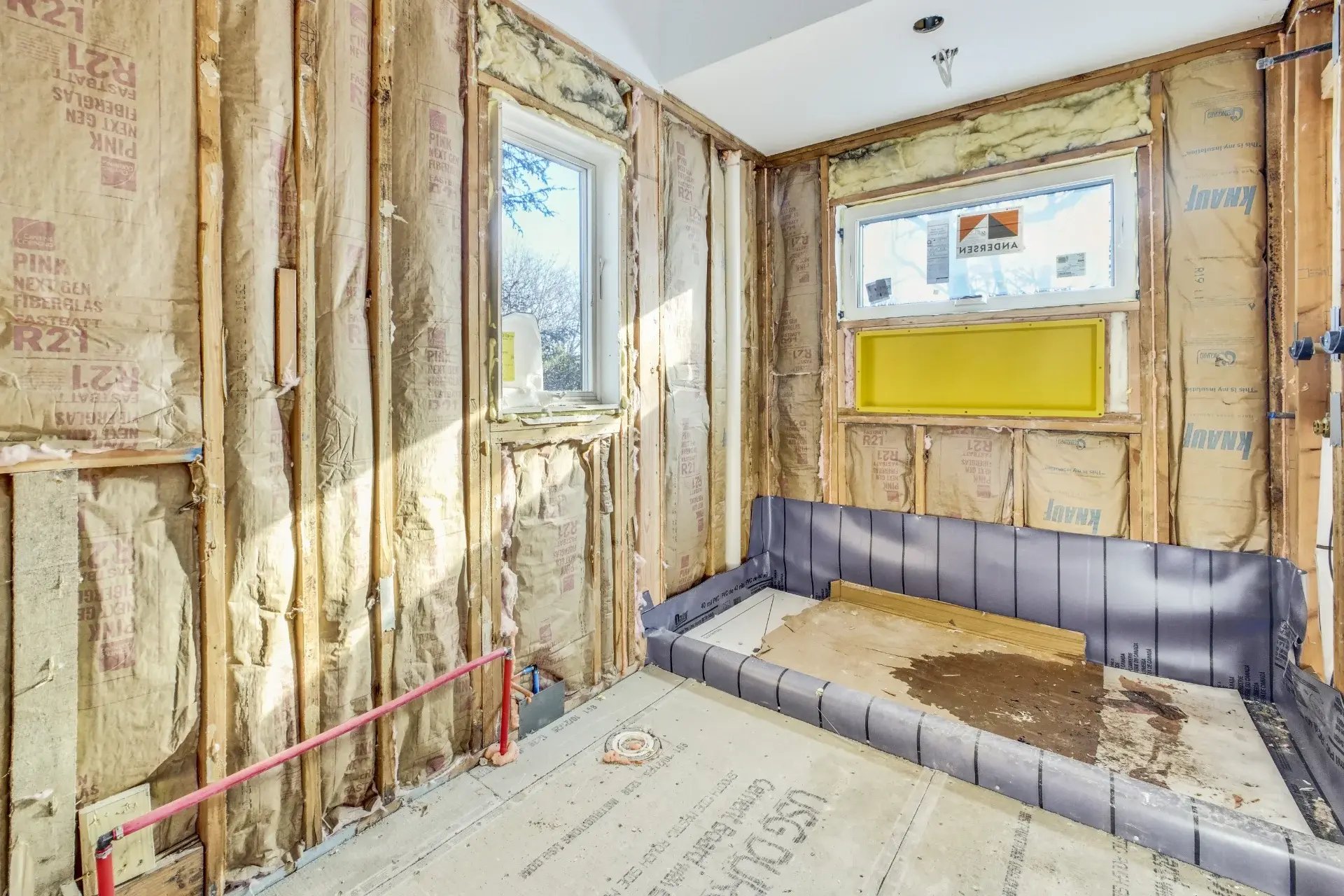 How much you need to borrow depends on the type of work. In high-cost markets like New Jersey and New York, labor and permit costs run 15% to 25% above the national average.
Kitchen remodels typically range from $25,000 to $75,000. Bathroom remodels fall between $15,000 and $35,000. Basement finishing runs $30,000 to $70,000. A full home renovation costs roughly $100 to $250 per square foot, depending on how much structural or systems work is involved.
These ranges set the floor for your loan amount. Add a contingency of 10% to 15% for unexpected costs, because older homes almost always reveal issues once walls open up. David Haziza, Owner and Master of Construction at A2Z Construction Management with over 30 years of experience, notes that hidden wiring, outdated plumbing, and framing problems regularly push budgets beyond initial estimates in the Northeast.
Best Loan FAQs
What credit score do I need for a home improvement loan?
Most personal loans require a minimum score of 660. Home equity products often start at 620. FHA-backed loans may accept scores as low as 580. Higher scores unlock better rates and larger loan amounts.
How does a home improvement loan work?
A home improvement loan works in the same basic way as any installment loan. You borrow a set amount, receive the funds, and repay in fixed monthly installments over an agreed term. Secured versions use your home as collateral. Unsecured versions do not.
Can I deduct interest on a home improvement loan?
Interest on a home equity loan or equity line of credit may be tax-deductible if the funds are used to improve the home that secures the loan. Personal loan interest is not deductible. Consult a tax professional for your specific situation.
Should I use cash or a loan for renovations?
Paying cash avoids interest charges and loan fees. But draining your emergency fund for a renovation project creates financial risk. If paying cash would leave you with less than three to six months of expenses in reserve, financing part of the project is usually the safer move.
What is the best loan for a large renovation?
For projects above $75,000, a home equity loan, HELOC, or cash-out refinance typically offers the lowest rates. If you are buying a home that needs work, an FHA 203(k) lets you roll the purchase and renovation into one mortgage with one monthly payment.