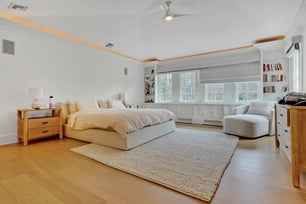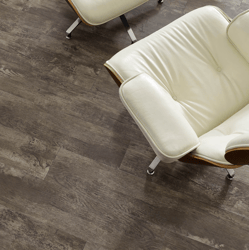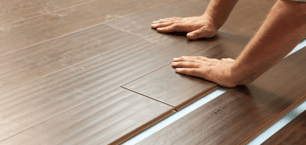



Installed flooring costs about $1.50 to $30 per square foot, depending on the type of flooring and the project. Sheet vinyl, laminate, and carpet start at the low end. Solid hardwood, bamboo, and natural stone start higher.
Removal, subfloor work, and labor change the final bill beyond the material price. Comparing every option on an installed, per-square-foot basis gives the clearest picture.
A2Z Construction Management, a family-owned licensed general contractor with more than 30 years of experience in New Jersey and New York, prepared this guide to show how flooring prices are built.
A complete flooring cost comparison covers price per square foot by type (materials and installed), what drives the final bill (subfloor prep, tear-out, labor, region), cost against durability by room, and a simple way to calculate your own budget. All prices reflect national U.S. averages and serve as planning estimates, not quotes.
Key Takeaways
- Installed flooring costs roughly $1.50 to $30 per square foot, so compare every option on an installed basis, not just the material price.
- Sheet vinyl, laminate, and carpet cost the least to install, while solid hardwood, bamboo, and natural stone usually cost the most.
- Removal, subfloor repair, underlayment, and labor can add $1 to $15 or more per square foot, so the material price alone understates your final bill.
- A 320 sq ft living room with click-together vinyl typically costs $1,600 to $5,440 installed, while a 2,000 sq ft house can range from $10,000 to $60,000 depending on the material.
- Get itemized written estimates from at least three contractors, since each one should list removal, subfloor work, and trim so the totals compare fairly.
Flooring Cost Per Square Foot by Type
Flooring prices span a wide range, so price per square foot is the standard unit for any flooring price comparison. Each option has a material price and an installed price. The installed price includes labor and predicts your final bill better.
Flooring Price Comparison Chart
The chart above ranks each type of flooring by its lowest installed price. The wide ranges reflect project size, product grade, and local labor. Removal, subfloor repair, and trim appear later. For a closer look at the pros and cons of each material, see this guide to types of flooring for a house.
Hardwood and Engineered Wood
Solid hardwood costs $3 to $14 per square foot for material and $10 to $25 installed. It can be refinished several times. Engineered hardwoods use a real wood top layer over a plywood core and cost $5 to $20 installed. Thin wear layers cannot be refinished.
Pros and cons: Hardwood has a natural grain and look, but it dents easily and swells or shrinks with humidity.
Vinyl and Luxury Vinyl Plank
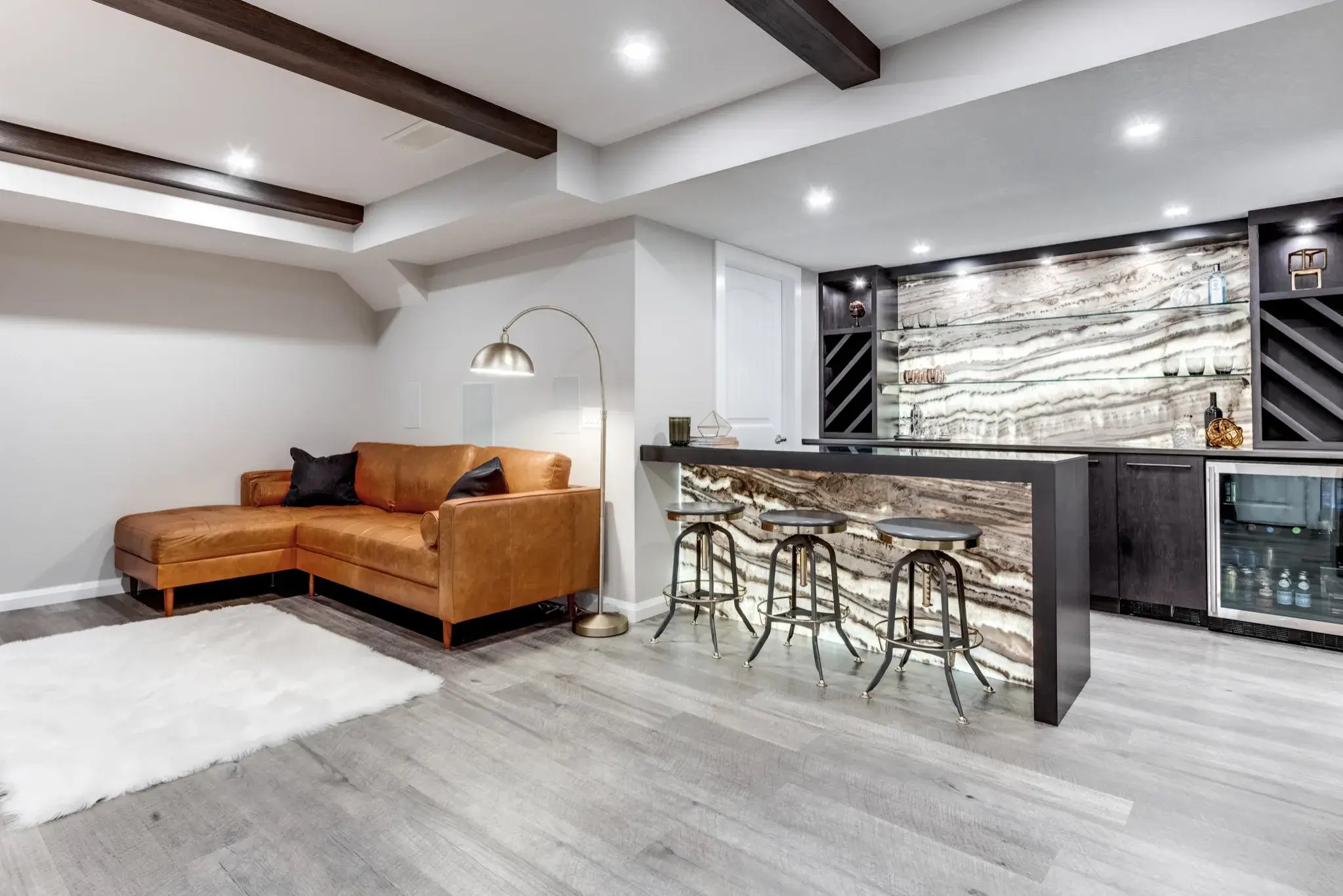
A vinyl floor ranges from budget sheet vinyl to rigid planks. Sheet vinyl costs $0.50 to $5 per square foot for material, while luxury vinyl plank runs $2 to $7 for material and $5 to $17 installed. Vinyl planks click together, resist water, and install faster than most other flooring types. Planks 7 mm or thicker hide small subfloor flaws.
Pros and cons: Vinyl feels soft and quiet underfoot with little upkeep, but it can look synthetic up close and cannot be refinished.
Laminate
Laminate uses a photographic top layer over a fiberboard core. It costs $0.70 to $2 per square foot for material and $1.70 to $17 installed. It resists scratches and fading. Water damages the core, so skip it in bathrooms and basements.
Pros and cons: Laminate offers many wood and stone looks at a low price, but a worn top layer cannot be repaired and repeating patterns can look artificial.
Tile and Natural Stone
A tile floor costs $2 to $15 per square foot for material and $3 to $30 installed. Natural stone costs $4 to $20 for material and $7 to $27 installed. Both last for decades and handle water well. Both need a flat, rigid subfloor.
Pros and cons: Tile and stone come in many colors and patterns, but they feel hard and cold underfoot, need sealed grout or stone, and break dropped dishes.
Carpet and Specialty Flooring
Carpet costs $2 to $7 per square foot for material and $3 to $22 installed. Linoleum follows sheet vinyl pricing, at $0.50 to $5 for material and $1.50 to $20 installed. Bamboo costs $2 to $10 for material and $7 to $20 installed, and cork costs $3 to $10.50 and $5 to $19.
These flooring options suit needs like softness underfoot or natural materials.
Pros and cons: Carpet is soft and quiet, and linoleum and cork are natural materials, but carpet stains and wears sooner, and linoleum and cork need periodic sealing.
How Much Is a Floor for Your Home?
How much is a floor depends on the area and the installed price per square foot. Multiply them, then add the extras covered below. The examples use the installed ranges from the chart.
Cost for a Single Room
Take a living room of 320 square feet, which is 20 by 16 feet. At $5 to $17 per square foot installed, click-together vinyl totals $1,600 to $5,440. Solid hardwood at $10 to $25 totals $3,200 to $8,000. The national average for a typical flooring replacement is $3,162, and you should expect to pay more for closets and stairs.
Cost to Replace Flooring in 2,000 Sq Ft
Replacing flooring in a 2,000 sq ft house costs $10,000 to $34,000 for click-together vinyl and $10,000 to $40,000 for engineered hardwood. Solid hardwood runs $20,000 to $50,000. A tile floor runs $6,000 to $60,000, depending on the tile and pattern. The total cost rises once removal, subfloor repair, and trim are added.
Average Cost of Flooring Removal and Installation
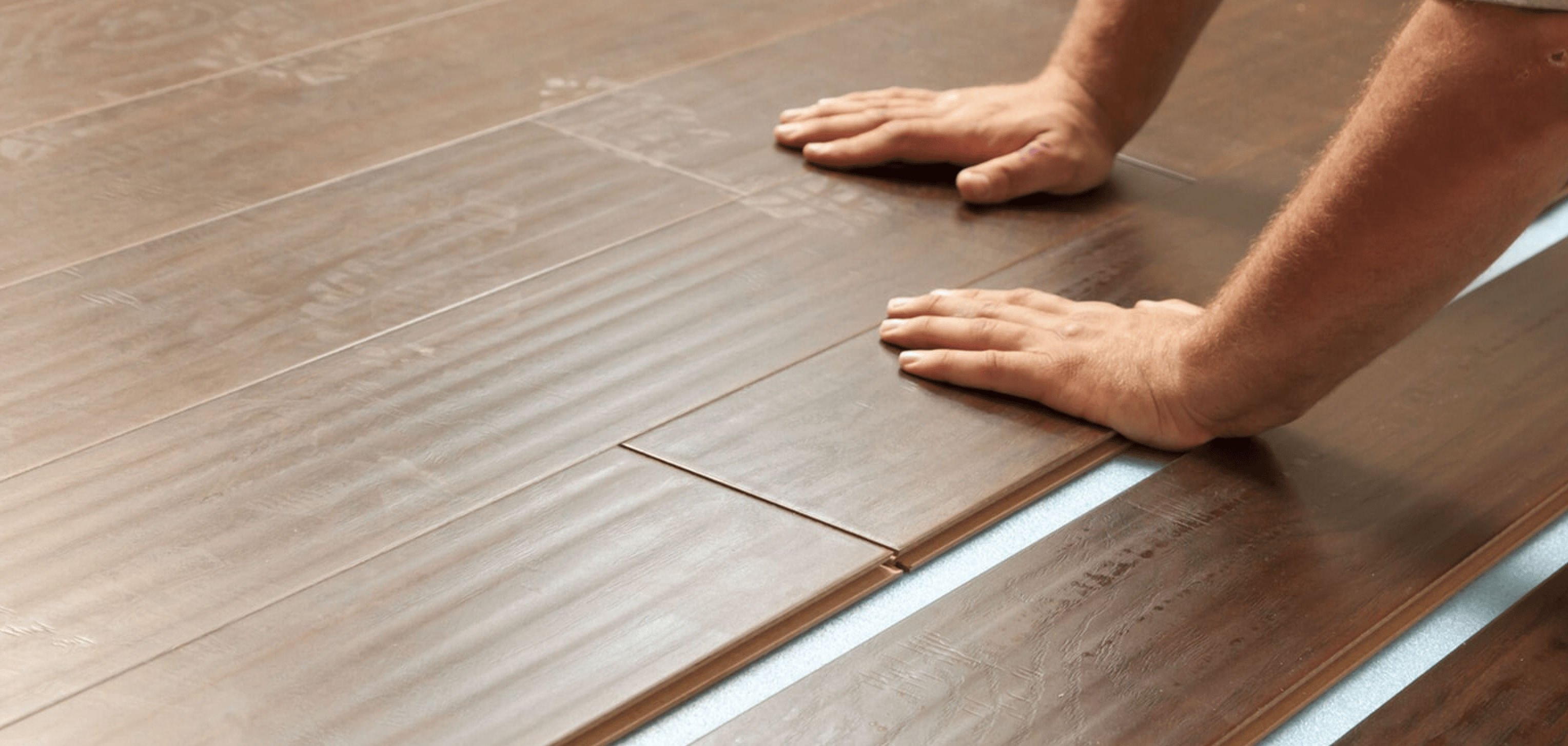
The material price leaves out much of the work. Removal alone runs $1 to $6 per square foot, and the items below add more. Each one affects both budget and schedule.
Old Floor Removal
Removing the existing floor costs about $1 to $6 per square foot, plus possible disposal fees. Homes built before 1980 may contain asbestos in old vinyl tile or adhesive, so testing comes first. Asbestos removal, when needed, costs $5 to $20 per square foot.
Subfloor Prep and Repairs
Installers check the subfloor for dips, cracks, and moisture first. Replacing a damaged subfloor costs about $2 to $2.50 per square foot, including removal and disposal. Water-damaged subfloor or joists need structural repair, which may require a permit and inspection. Tile needs the flattest base.
Underlayment, Trim, and Supplies
Underlayment costs about $3.40 to $5.30 per square foot, including removal of the old layer and disposal. It adds sound control, cushioning, or a moisture barrier. Baseboards, transition strips, and adhesives are priced separately. Some flooring products include an attached pad that replaces separate underlayment.
Labor and Regional Pricing
Labor runs $1 to $15 per square foot and makes up about 60 percent of the final bill. Installers typically charge $60 to $120 per hour. Nailed hardwood and set tile take more time than click-together planks, and dense metro areas, including New York and New Jersey, often run above the national average.
Professional installation also matters for warranties, because some manufacturers tie coverage to it.
Least Expensive Flooring to Have Installed
A low-cost floor starts with the lowest installed price, not the lowest material price. These budget-friendly options have the lowest starting prices. Each figure is per square foot installed:
- Sheet vinyl and linoleum: from $1.50
- Laminate: from $1.70
- Carpet: from $3
- Click-together vinyl: from $5
Sheet vinyl is the least expensive flooring to have installed, but a damaged section cannot be swapped like a single plank. Laminate costs almost as little and repairs more easily. Any low-cost floor that fails early costs more than a mid-priced floor that lasts.
What Is the Best Flooring for the Money?
The best flooring for the money matches the room, not only the budget. A good flooring purchase balances price against traffic, moisture, and lifespan. Each factor narrows the field quickly.
High-Traffic Rooms
Entryways, kitchens, and hallways need hard-wearing surfaces. Porcelain tile, quality laminate, and click-together vinyl are low-maintenance flooring choices that handle traffic and pets well. In a living room, hardwood adds warmth and resale appeal. Carpet suits bedrooms.
Moisture-Prone Areas
Bathrooms, basements, and laundry rooms call for strong water resistance. Porcelain tile and any vinyl floor handle spills best. Engineered wood tolerates moisture better than solid wood, but standing water still damages it. To redo a bathroom floor, follow the same removal, subfloor, and installation steps covered earlier.
Cost vs. Lifespan and Trade-Offs
Cost per year of use shows real value. Carpet and sheet vinyl often last 10 to 15 years, vinyl planks and laminate 15 to 25, and hardwood, tile, and stone several decades. A floor that costs twice as much but lasts three times longer is the cheaper choice over time.
How to Plan Your Flooring Purchase
Flooring is a common home improvement project, and a clear plan prevents budget overruns. The steps below cover measuring, choosing an installer, and comparing bids. Each step protects the total budget.
Measure and Add Waste
Multiply each room's length by its width, then add the results to get total square feet. Add 7 to 10 percent for cuts and waste, and more for diagonal layouts. Buy all material at once, since color varies between batches.
DIY vs. Licensed Contractor
Floating floors, such as click-together vinyl and laminate, suit careful DIY work on a flat subfloor. Nailed hardwood, glued floors, and tile call for trained installers, because errors are costly to reverse.
A licensed general contractor also coordinates removal, repairs, permits, and inspections in order. David Haziza, Owner and Master of Construction, has managed residential projects for more than 30 years, and that experience shows why sequencing matters.
Ways to Save and Compare Estimates
Request itemized written estimates from at least three contractors. Confirm that each lists removal, subfloor work, underlayment, trim, and disposal, so totals compare fairly. Save money by choosing a budget-friendly material and removing baseboards yourself. Compare the total cost, not only the price per square foot.
Frequently Asked Questions About Flooring
Can You Install New Flooring Over an Existing Floor?
It depends on the new floor. Floating floors can go over a flat, dry, firmly attached surface, which saves the removal cost. Glued or nailed floors need a bare subfloor, and carpet must always come out first.
Does Wood Flooring Need Time to Acclimate?
Yes. Wood and laminate should sit in the room for one to three days so their moisture level matches the space. Skipping this step can cause gaps or buckling later. The manufacturer's instructions set the exact time.
How Long Does Flooring Installation Take?
A single room usually takes one to two days. Tile takes longer because the setting material and grout need time to cure. A whole-house project takes about a week or more, depending on the material and the prep work.
Does Replacing Flooring Require a Permit?
Replacing only the floor surface usually does not require a permit. Structural repairs follow local rules, so the town or county building department has the final say. Condos and co-ops often require building approval before work starts.