


Every flooring material handles moisture, traffic, and daily wear differently. Some types last decades with little upkeep. Others cost less upfront but need replacing sooner. This guide covers the main types of flooring for a house, compares flooring cost per square foot, and breaks down the best flooring for each room.
A2Z Construction Management, a licensed general contractor serving New Jersey and New York, works with every material listed here across residential renovations.
List of Flooring Types for a House
| Flooring Type | Look | Water Resistant | Best Rooms |
|---|---|---|---|
| Solid Hardwood | Natural wood grain | No | Living rooms, bedrooms, dining rooms |
| Engineered Hardwood | Natural wood grain | Some versions | Kitchens, living rooms, basements |
| Laminate | Wood or stone look | Most versions | Bedrooms, living rooms, hallways |
| Luxury Vinyl Plank / Tile | Wood or stone look | Yes | Kitchens, bathrooms, basements |
| Ceramic Tile | Stone, wood, or pattern | Yes | Bathrooms, kitchens, entryways |
| Porcelain Tile | Stone, wood, or pattern | Yes | Bathrooms, kitchens, patios |
| Natural Stone | Marble, granite, slate | Needs sealing | Entryways, bathrooms, kitchens |
| Carpet | Fiber texture | No | Bedrooms, living rooms |
| Bamboo | Wood grain | Limited | Living rooms, bedrooms |
| Cork | Mottled natural tone | Limited | Bedrooms, offices |
| Linoleum | Solid color or pattern | Yes | Kitchens, bathrooms, laundry |
| Hybrid Resilient | Wood or stone look | Yes | Any room, including basements |
| Rubber | Solid color or speckle | Yes | Garages, gyms |
The table above covers the main house flooring options used in homes today. Each type uses different flooring materials, and every material offers a different balance of cost, durability, and water resistance. The sections below explain what sets each one apart and where it performs best.
What Are the Three Types of Flooring?
Most flooring falls into three categories. Hard surface flooring includes hardwood, tile, and stone. Resilient flooring includes vinyl, laminate, linoleum, and cork. Soft flooring means carpet. Each category responds differently to moisture, sound, and wear, which is why the right flooring choice depends on the room and how your household uses it.
10 Types of Flooring Explained
Solid Hardwood
Solid hardwood flooring is milled from a single piece of wood, usually oak, maple, walnut, or hickory. According to the National Wood Flooring Association, most solid wood floors can be sanded and refinished six to eight times over their service life. The exact number depends on wear layer thickness, floor flatness, and the skill of the sander. Hardwood is prone to scratches and dents in high-traffic areas and should not go in rooms with heavy moisture exposure.
Pros:
- Refinishing changes the color or erases wear
- Adds resale value
- Comes in many species and plank widths
Cons:
- Expands and contracts with humidity
- Costs more than most options
Engineered Hardwood
Engineered wood flooring uses a real wood top layer bonded to a plywood or composite base. It handles temperature and humidity swings better than solid wood. Some versions are water resistant, which makes them a fit for kitchens and basements where solid hardwood would be a risk. Look for a wear layer of at least 2.5 mm if you want the option to refinish later. A thin wear layer can limit you to one light sanding, or none.
Pros:
- Real wood surface
- Works with radiant heat
- Suits basements and slabs after moisture testing
Cons:
- Refinishing depends on wear layer thickness
- Quality and water resistance vary by product
Laminate
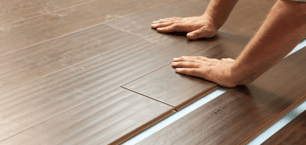
Laminate flooring mimics the look of wood or stone at a lower price. Homeowners often weigh hardwood vs laminate when choosing between real wood and a budget alternative. Most laminate today is waterproof or water-resistant and easy to clean. It clicks together during installation, which makes it a common DIY project.
Pros:
- Costs less than hardwood
- Resists scratches and stains
- Click-lock planks suit DIY installs
Cons:
- Cannot be refinished
- Sounds hollow without a quality underlayment
Vinyl Plank and Vinyl Tile
Vinyl plank flooring and vinyl tile are made from PVC with a printed design layer and a protective coating on top. Both resist water, stains, and daily wear. LVP works well in kitchens, bathrooms, and basements. The thicker the wear layer, the longer the floor holds up under heavy foot traffic.
Pros:
- Waterproof or highly water resistant
- Softer and quieter underfoot than tile
- Wide range of wood and stone looks
Cons:
- Cannot be refinished
- Heavy furniture can leave dents
- Some products fade in direct sun
Ceramic and Porcelain Tile
Ceramic tile is fired clay. Porcelain tile is a ceramic tile that meets a stricter standard. Under ANSI A137.1, porcelain absorbs 0.5% water or less, measured with ASTM C373. Standard ceramic absorbs more, which makes it softer and easier to cut.
That low absorption makes porcelain dense, stain-resistant, and better suited to freezing weather and wet rooms. Ceramic costs less and works well on walls and low-traffic floors, such as a guest bathroom. Porcelain costs more per square foot and handles heavy traffic, patios, and entryways. The Porcelain Tile Certification Agency certifies products that meet the standard, so look for that label when you shop.
Tile flooring is common in bathrooms, kitchens, and entryways. Cement-based grout lines need sealing with either type.
Pros:
- Resists water, stains, and heat
- Works with radiant heat
- Lasts decades
Cons:
- Hard and cold underfoot
- Grout needs regular cleaning
- Heavy impacts can crack tiles
Natural Stone Tile
Stone tile includes marble, granite, slate, and travertine. Each stone has a different look and hardness level. Stone needs sealing to block stains and moisture. It is one of the most expensive options, and it lasts 100 or more years when properly maintained.
Pros:
- One of the longest-lasting options
- Natural variation in color and veining
Cons:
- Highest cost range
- Softer stones, such as marble, can etch and scratch
Carpet
Carpet provides warmth, sound absorption, and comfort underfoot. It works best in bedrooms, living room spaces, and areas where softness matters. Carpet holds dust and allergens more than hard surfaces. Stain-resistant options exist for homes with kids and pets, but carpet still needs regular deep cleaning.
Pros:
- Warm and soft underfoot
- Absorbs sound
- Costs less than hardwood and tile in most cases
Cons:
- Shows wear along high-traffic paths
- Shortest lifespan of the options in this guide
Bamboo
Bamboo flooring looks similar to hardwood and comes from a fast-growing grass, not a tree. It is harder than many wood species but reacts poorly to excess moisture. Bamboo works well in dry living spaces and is often picked for its appearance and price compared to solid hardwood.
Pros:
- Comes from a fast-growing, renewable source
- Hardwood look at a lower price
- Hard surface that resists dents
Cons:
- Reacts poorly to excess moisture
- Fades in direct sunlight
Cork
Cork is harvested from bark without cutting the tree. It is soft underfoot, absorbs sound, and resists mold naturally. Cork fades in direct sunlight and needs resealing every few years. It fits best in low-traffic rooms like bedrooms and home offices.
Pros:
- Cushioned and warm underfoot
- Absorbs sound
- Resists mold naturally
Cons:
- Dents under heavy furniture
- Needs periodic resealing
Linoleum
Linoleum is made from linseed oil, wood flour, and natural resins pressed onto a backing material. It is water-resistant, antimicrobial, and available in a wide range of colors. Linoleum holds up well in kitchens and bathrooms. It requires periodic sealing and lasts about 25 years with proper care.
Pros:
- Water-resistant and antimicrobial
- Made from natural materials
- Wide range of colors
Cons:
- Needs periodic sealing
- Heavy furniture can leave dents
Most Popular Types of Flooring
What Type of Flooring Is Popular Right Now?
Luxury vinyl plank leads in popularity for renovations and new construction. Homeowners pick it for its price, water resistance, and realistic wood look. Engineered hardwood remains a top flooring choice for living areas where a natural wood appearance matters. Porcelain tile still dominates wet rooms like bathrooms and laundry areas.
New Types of Flooring
Hybrid resilient flooring combines a vinyl surface with a rigid composite core. It handles moisture like vinyl but feels closer to hardwood underfoot. SPC (stone plastic composite) and WPC (wood plastic composite) are the two main rigid core formats. Both install as floating floors and work in every room, including basements.
Different Kinds of Flooring Compared
| Flooring Type | Avg. U.S. Cost per Sq Ft (Installed) | Lifespan | Upkeep Level | Refinishable |
|---|---|---|---|---|
| Solid Hardwood | $6 – $18 | 100+ years | Medium | Yes |
| Engineered Hardwood | $5 – $15 | Varies by wear layer | Medium | Limited |
| Laminate | $3 – $8 | 15 – 25 years | Low | No |
| Luxury Vinyl Plank / Tile | $3 – $10 | 10 – 25 years | Low | No |
| Ceramic Tile | $5 – $15 | 75 – 100 years | Low | No |
| Porcelain Tile | $6 – $20 | 75 – 100 years | Low | No |
| Natural Stone | $10 – $30+ | 100+ years | Medium – High | No |
| Carpet | $3 – $12 | 8 – 10 years | High | No |
| Bamboo | $4 – $10 | Varies by product | Medium | Limited |
| Cork | $4 – $10 | Varies by product | Medium | Limited |
| Linoleum | $4 – $9 | About 25 years | Medium | No |
| Hybrid Resilient | $4 – $12 | Varies by product | Low | No |
Lifespans reflect proper care and follow the InterNACHI life expectancy chart and the NAHB home component study. Costs are average U.S. installed ranges and vary by product, region, and job conditions. Costs in the New York City area run higher.
What Is the Most Durable Type of Flooring?
Solid hardwood, natural stone, and tile last longest. The InterNACHI life expectancy chart lists wood and stone at 100 or more years and ceramic tile at 75 to 100 years. Hardwood earns that lifespan because you can refinish it. Laminate is listed at 15 to 25 years, and vinyl plank cannot be refinished once the surface layer wears through.
Wear Layers Explained
A wear layer is the top surface that takes the daily abuse. Its thickness often decides how long a floor lasts, and the rules differ by material.
On engineered hardwood, wear layers run from 1/16 inch to 1/4 inch, according to NWFA guidance. Sanding is not recommended below 3/32 inch (2.38 mm). Solid hardwood sits at the top of that range, with a wear layer of about 1/4 inch or more. That depth is why it handles repeated refinishing. The NWFA Refinishable Program certifies engineered floors with at least 2.5 mm of wear layer when factory finished and 3.2 mm when unfinished.
Vinyl plank and laminate cannot be sanded. Once the surface wears through, the plank needs replacing, so a thicker wear layer buys more years. Compare the manufacturer's wear layer rating and residential warranty before you buy.
Cost and Upkeep
Material cost is only part of the total. The table above shows average U.S. installed costs per square foot. Tile and stone need mortar, grout, and skilled labor. Vinyl and laminate cost less to buy and install. Hardwood flooring and engineered wood fall in the middle. Every flooring material carries a different upkeep schedule, from simple sweeping to periodic sealing or full refinishing.
Best Type of Flooring for a House
Kitchens and Bathrooms
Choosing the best flooring for kitchens and bathrooms comes down to water resistance. Porcelain tile, luxury vinyl plank, and sheet vinyl handle splashes and standing water without damage. Engineered hardwood works in kitchens if spills are wiped quickly. Avoid solid hardwood and standard laminate in full bathrooms, and read this guide on how to redo a bathroom floor before replacing a worn one.
Basements
The best flooring for basements handles moisture pressure from below the concrete slab. LVP, ceramic tile, and hybrid resilient flooring all handle that environment. Test for moisture before installing anything. Cork, solid hardwood, and carpet are poor choices below grade.
Bedrooms and Living Areas
Comfort and appearance drive this decision. Hardwood, engineered wood, carpet, and laminate all work in these rooms. Carpet adds warmth and sound control. Hardwood and engineered wood add resale value. Your pick depends on budget and how much maintenance you want to take on.
Garages, Gyms, and Patios
Rubber flooring and concrete coatings handle impact and moisture in garages and home gyms. Outdoor patios need frost-resistant porcelain or natural stone rated for exterior use. Standard indoor materials crack or warp when exposed to weather and temperature shifts.
How to Choose the Right Flooring
Budget and Installed Cost
Set a total budget that includes material, underlayment, trim, transitions, and labor. A guide on how to estimate construction costs shows how to price each line before work starts. Order 10% more than your measured square footage for cuts and future repairs. In the New York City area, the RSMeans City Cost Index puts construction costs about 29% above the national average, so budget above national figures.
Kids, Pets, and Foot Traffic
Households with children and pets need scratch-resistant, easy-to-clean surfaces. LVP, porcelain tile, and laminate handle daily wear without showing damage quickly. Carpet stains easily but absorbs noise. Pick a flooring material that balances durability with comfort for how your household actually lives.
Sunlight and Radiant Heat
Direct sun fades some floors over time, especially cork, bamboo, and certain vinyl products. If your home uses radiant heat, check compatibility before you buy. Tile and engineered hardwood work with radiant systems. Solid hardwood and thick carpet do not.
Resale Value
Hardwood flooring adds the most resale value in most markets. Engineered wood and tile rank close behind. Luxury vinyl plank is gaining ground as buyers recognize its durability. Carpet and laminate add less to a home's sale price but cost far less to install.
Flooring Installation and Timeline
DIY or Licensed Contractor
Click-lock vinyl and laminate are common DIY installs. Tile, hardwood, and stone should be professionally installed by experienced flooring installers. Poor installation causes gaps, buckling, and moisture damage. A licensed flooring contractor in NJ coordinates subfloor work, leveling, and transitions between rooms.
Subfloor Prep and Moisture Testing
Every floor starts with the subfloor. It must be level, dry, and structurally sound before any material goes down. Moisture testing is required before installation, especially in basements and slab-on-grade homes. Skipping this step leads to mold, warping, and early failure.
How Long Installation Takes
A single room with click-lock flooring can be done in one day. A full-home tile or hardwood project takes one to three weeks depending on layout, prep work, and curing time. David Haziza, Owner and Master of Construction at A2Z Construction Management, notes that older homes in the Northeast often need subfloor repair that adds time to any flooring project.