


A new bathroom installation typically costs $5,000 to $75,000, and most homeowners spend around $35,000. Half-bath conversions start near $4,000, while large primary or Jack-and-Jill baths can reach $100,000.
These figures cover installing a bathroom in a space that doesn’t have one, either by converting existing space or building an addition. That usually runs higher than remodeling an existing bathroom, which typically falls between $15,000 and $35,000+ because the plumbing, electrical, and framing are already in place.
The new bathroom installation cost depends on six main factors: bathroom type, size, location in the home, fixture quality, labor rates, and permit fees. For an existing space, the bathroom remodeling guide covers that scope separately.
Key Takeaways
- Most projects cost $5,000 to $75,000, with conversions at the low end and additions at the high end.
- Converting an existing space costs $200 to $250 per square foot. Building a new addition costs $400 to $550 per square foot.
- Distance to existing plumbing lines is the biggest controllable cost driver. Bathrooms placed against a wall shared with a kitchen or laundry room cost less than bathrooms built far from the main waste stack.
- Conversions usually take 4 to 8 weeks of on-site work, or 2 to 4 months in total with design, permits, and material ordering. A new addition takes 3 to 12 months depending on scope, starting at about 3 to 4 months for a compact bath expansion.
- A midrange bathroom addition recoups about 53% of its cost at resale, and an upscale one about 36%. Returns tend to be stronger for a second or third bathroom in a multi-bedroom home. The math may not work for small one-bedroom homes or projects that take square footage from existing bedrooms.
Bathroom Costs by Type and Size
How much does it cost to build a bathroom? A half bath costs $4,000 to $12,000, and a primary bath costs $22,000 to $100,000. A half bath, also called a powder room, includes only a sink and toilet and costs the least. A full bathroom adds a tub or shower and needs more plumbing and fixtures.
A primary bathroom or Jack-and-Jill setup costs the most because of its larger square footage, dual vanities, and premium finishes. Homeowners building a primary suite often plan the bathroom alongside modern master bedroom design so finishes, lighting, and materials stay consistent across both rooms. The master suite addition cost guide covers the full bedroom-and-bath scope.
Cost per square foot runs about $200 to $250 for a conversion, such as a closet or laundry room, and $400 to $550 for a true addition. If you’re updating an existing primary bathroom instead of building a new one, the master bath remodel cost guide breaks down remodel budgets by size and scope.
Square footage drives cost within each type. A small half bath at 15 to 20 square feet costs much less than a primary suite at 100 to 200 square feet, even before fixture choices. The table below shows installation costs by size, split between converting an existing space and building a new addition.
New Bathroom Installation Cost by Location
How much does it cost to put in a bathroom? A closet conversion starts near $5,000, and converting a bedroom can reach $50,000. Bathrooms placed near existing plumbing stacks cost much less than bathrooms built far from the main waste line.
Basement installations often require a sewage ejector pump if the bathroom sits below the main sewer line, which adds about $2,500 on average. Upstairs bathrooms may need structural reinforcement to support the weight of a tub. Attic conversions usually need new electrical, plumbing, and insulation work, which pushes the total higher than other interior conversions.
The table below shows the average installation cost by location.
Material and Labor Breakdown
Key cost categories include:
- Plumbing and Fixtures: Toilets, sinks, bathtubs, and showers make up the core of the budget. Fixture costs run from $200 for a basic toilet to $19,000 for a high-end shower.
- Flooring and Walls: Materials like tile, vinyl, or waterproof laminate vary widely in price. Tile installation increases labor costs because of the precision the work requires.
- Light Fixtures: Installed costs run $150 to $1,100 per fixture (see the per-fixture table below). The best bathroom lights for vanity, shower, and ceiling placement vary based on natural light and how the space is used.
Per-Fixture Installation Costs
The table below shows typical installed costs for each fixture and finish in a new bathroom installation. Prices reflect material plus labor.
Material Quality Tiers
Material choices alone can swing the new bathroom installation cost by hundreds of dollars per square foot. Budget-tier finishes like prefab vanities, porcelain tile, and standard fixtures keep costs predictable. Midrange selections add semi-custom vanities, larger-format tile, and name-brand fixtures.
Upscale builds use natural stone, frameless glass enclosures, designer brands, and custom millwork.
Finish level moves cost within each approach, so a high-end conversion can exceed the $200 to $250 per square foot baseline.
Labor Cost to Build a Bathroom by Trade
Labor cost to build a bathroom typically accounts for 40% to 55% of the total installation cost. Rates vary by region and by the work involved. The table below shows typical hourly rates for the trades on a bathroom installation.
If you’re installing a full bathroom set or replacing existing features, prefabricated kits may lower the total cost. These kits often include the main items, which reduces installation time and makes them a cost-effective option in some cases.
Prefab kits work best in secondary bathrooms where matching the layout to existing plumbing matters more than custom design.
How Much to Install a Bathroom: What Affects the Total Cost?
The condition of your existing space drives the first cost decision. A new addition costs more than repurposing an underused area like a closet or basement.
Next is the scope of work. A simple update might include replacing fixtures or flooring. A full installation or addition includes demolition, new plumbing, electrical rewiring, framing, and insulation, all of which add to the budget.
The number and type of features also matter. Double vanities, separate tubs and showers, or smart toilets raise the overall new bathroom price. Materials like stone countertops or frameless glass doors increase both material and installation costs.
Accessibility and layout can also change the total. Tight spaces, older homes, and multi-level plumbing runs add work and extend the timeline.
Costs also run higher in the Northeast. In NJ and NY, they typically run 15% to 25% above national averages because of higher labor rates, permit costs, and older housing stock.
Permits and Timelines
Most bathroom additions require permits. The cost to add a bathroom often includes city or county permit fees, which typically run $50 to $2,000. Fees vary by municipality and by the structural impact of the project.
Permits confirm that plumbing, electrical, and structural work meets building code. Skipping them can lead to fines, delays, or problems when you sell the home.
Timelines vary by scope. A conversion usually takes 4 to 8 weeks of on-site work, or 2 to 4 months in total once design, permits, material ordering, and inspections are included.
A compact addition, such as a bath expansion, takes about 3 to 4 months from active construction through finish work. Larger additions, such as a primary suite, often take 6 to 12 months or more. Permit review speed differs by municipality, and older homes often reveal hidden framing, electrical, or plumbing issues that extend either schedule.
The general contractor typically coordinates permits and inspections. Inspections usually happen at rough-in plumbing, framing, waterproofing, and final finish, which keeps the project on schedule. Choosing materials before construction starts also prevents timeline gaps.
Cost to Add a Bathroom: Conversion vs. New Addition
How much does it cost to add a bathroom? A closet or half-bath conversion can cost under $10,000, while a primary bath addition costs $45,000 or more. Some homeowners install a new bathroom by converting a closet, laundry room, or part of a bedroom. Others build an addition, and that choice changes the new bathroom installation cost by tens of thousands of dollars.
Conversions cost less because the structural shell already exists. There’s no foundation work, no exterior wall framing, no roofing, and no exterior siding. The work focuses on plumbing rough-in, electrical, drywall, fixtures, and finishes.
Additions cost more because the project starts from the ground up. Foundation work, framing, roofing, exterior siding, and full mechanical rough-in all factor in.
The table below compares the average cost to add a bathroom, using a large full bath as the example.
How Much to Build a Bathroom From Scratch
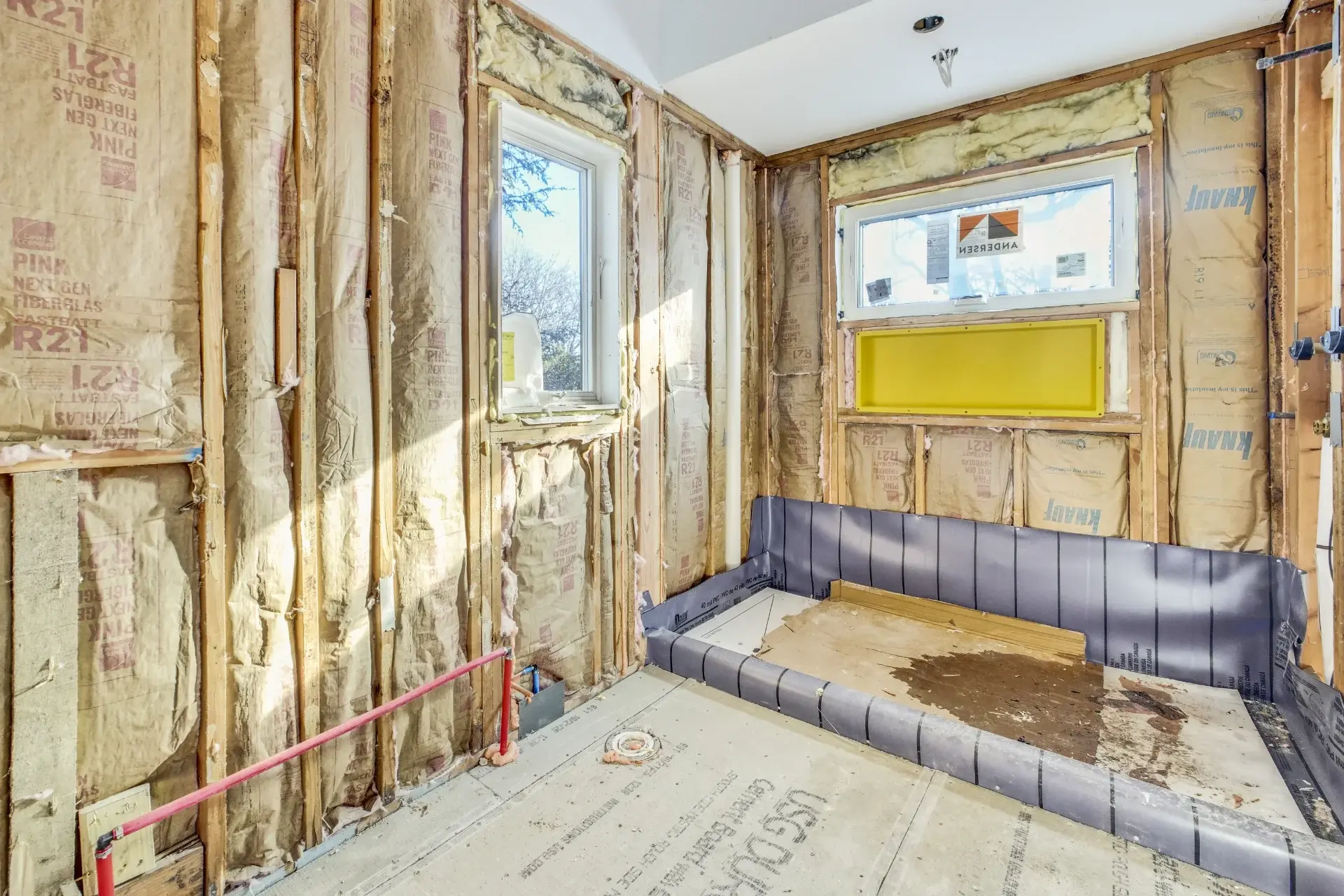
Building a bathroom from scratch means starting with a bare footprint instead of a finished room. The work usually runs in this order: foundation or floor framing, wall framing and roofing, plumbing and electrical rough-in, inspections, insulation and drywall, then waterproofing, tile, fixtures, and paint.
A primary bath of 100 to 200 square feet costs $45,000 to $100,000 as an addition, compared with $22,000 to $55,000 as a conversion. Rough-in plumbing and electrical must pass inspection before walls close, so schedule that step early.
How to Reduce Your Bathroom Costs
Location and material choices do the most work. Building the new bathroom next to existing water and drain lines, such as on the other side of a kitchen or laundry room wall, cuts plumbing labor more than almost any finish upgrade can save.
Once the layout is set, mid-range materials close most of the visual gap with upscale builds at a fraction of the cost. Porcelain tile costs less than natural stone and holds up well in wet environments. Standard vanities and prefab shower kits cover the majority of installations cleanly. The guide on how to redo a bathroom floor covers material trade-offs that affect both labor time and final cost.
Scope control matters on smaller budgets. Towel warmers, built-in speakers, and custom cabinetry are easy to add later once the core installation is done. Keeping the initial scope to plumbing, electrical, fixtures, and finishes protects the budget and shortens the timeline.
A $5,000 budget stretches to a small half-bath or closet conversion only when the plumbing is already close by. In that case, plan on basic fixtures and finishes.
Does Adding a Bathroom Increase Home Value?
A midrange bathroom addition recoups about 53% of its cost at resale, according to the 2025 Cost vs. Value Report, based on a defined midrange project. An upscale addition recoups about 36%. The strongest return on investment home improvements show projects that recoup more.
In the same report, a midrange bathroom remodel averages $26,138 and recoups about 80%, so an addition costs more and returns a smaller share. The exact return depends on your local market, the type of bathroom added, and the home’s existing bathroom count.
A second or third bathroom in a multi-bedroom home tends to add the most value. Bathroom count appears in real estate listing filters and buyer search criteria, so homes with additional bathrooms often reach a wider buyer pool than single-bathroom homes.
The math doesn’t always work in your favor. A small one-bedroom home with a single bathroom may not gain enough resale value to justify the new bathroom installation cost. The same applies if the addition takes space from a bedroom, which can lower the bedroom count and offset the bathroom gain. Before committing, compare the project cost against recent sale prices of similar homes in your area with one more bathroom.