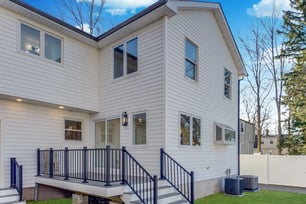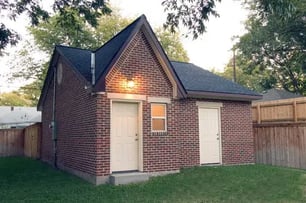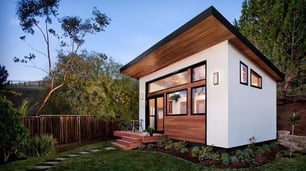



A few New Jersey municipalities offer direct grants to homeowners who build accessory dwelling units on their property. Programs in towns like Asbury Park and Middletown provide between $25,000 and $60,000 for qualifying ADU projects. Eligibility depends on income limits, deed restrictions, and owner-occupancy rules that vary by town.
Building an ADU in New Jersey also involves zoning approvals, construction permits, and costs that range from $80,000 for a basement conversion to over $400,000 for a detached new build. A2Z Construction Management, a licensed general contractor serving New Jersey and New York, works across residential projects where this type of ADU development applies.
Key Takeaways
- Only a handful of New Jersey municipalities currently offer ADU grants, with Asbury Park providing $25,000 to $35,000 and Middletown offering up to $60,000. These are competitive programs tied to affordable housing obligations, not automatic funding available in every town.
- ADU grants require a 10-year deed restriction that locks the unit into affordable rents and limits tenants to households earning under 80% of the area median income. Property owners must also occupy either the main house or the ADU themselves during this period.
- Construction costs in New Jersey range from $80,000 for a basement conversion to over $400,000 for a detached new build, depending on site conditions and build type. Even with a grant, most homeowners will need additional financing to complete a project.
- Governor Murphy has proposed a statewide ADU grant program funded through the Affordable Housing Trust Fund, while S-1786 legislation would require all municipalities to allow ADUs on single-family lots. Neither is law yet, but both could expand access to grants and reduce local zoning barriers.
- Homeowners whose grant awards fall short of total project costs can explore home equity loans, HELOCs, or New Jersey's Clean Energy Program rebates to bridge the funding gap.
What Grants Are Available for NJ Homeowners
New Jersey has no single statewide ADU grant program. Grant funding comes from individual municipalities that have adopted their own ADU ordinances. The programs listed below are active as of 2026, but availability and terms can change. Contact the relevant town's planning department to confirm current status before starting an ADU project.
Asbury Park's $25,000–$35,000 Construction Grant
Asbury Park offers a construction grant of $25,000-$35,000 for homeowners who build a deed-restricted affordable accessory dwelling unit (ADU). The unit must be rented to a tenant selected from the city's affordable housing wait list. A minimum 10-year deed restriction applies, meaning the unit must remain affordable for that full period. Short-term rentals are prohibited on the property – all rentals must be yearly.
Middletown's Up to $60,000 Apartment Grant
Middletown Township runs an Accessory Apartment Program with grants up to $60,000. Homeowners must rent the unit to low- and moderate-income households for at least 10 years. Tenants are selected through a lottery from the Middletown Affordable Housing Database. The property must sit in a single-family zone.
Other Municipal Grant Programs
Other NJ towns may offer similar programs tied to their affordable housing obligations under the Mount Laurel framework. These programs are not always widely advertised. Some municipalities participate in workforce housing or aging-in-place initiatives that provide fee reductions or tax incentives for ADU projects. Homeowners looking to generate rental income through a long term rental ADU should check with their local planning or housing office.
| Program | Grant Amount | Deed Restriction | Tenant Selection | Rental Rules |
|---|---|---|---|---|
| Asbury Park ADU Grant | $25,000 – $35,000 | 10-year minimum | Affordable housing wait list | Yearly leases only; no short-term rentals |
| Middletown Accessory Apartment Program | Up to $60,000 | 10-year minimum | Lottery from Affordable Housing Database | Low and moderate income households only |
| Other municipal programs (varies) | Varies by town | Typically 10+ years | Set by each municipality | Check local ordinance |
ADU Subsidy Eligibility in NJ
Each ADU construction subsidy in New Jersey has its own eligibility rules. The common requirements fall into three areas: income, deed restrictions, and occupancy.
Income Limits and Area Median Income Rules
Most ADU grant programs require homeowners to meet income thresholds tied to the Area Median Income (AMI). Typical limits fall between 80% and 120% of AMI, depending on the municipality. For reference, 120% AMI for a single person in many NJ counties is roughly $142,000 per year. Household size affects the ceiling – a family of four qualifies at a higher income level than an individual.
Deed Restrictions and Affordability Terms
Grant-funded ADUs carry a deed restriction requiring the unit to stay affordable for 10 years or more. Rent is capped at a percentage of Fair Market Rent set by HUD. You cannot charge market rate during the restriction period. If you sell the property before the restriction expires, the new owner inherits the same terms.
Owner-Occupancy and Tenant Requirements
Nearly every NJ ADU grant program requires the property owner to live on-site, either in the main house or the ADU. Tenants must usually be selected through an affordable housing lottery or wait list. Some programs do not allow renting to family members under a grant-funded arrangement, so confirm this with your municipality before applying.
Applying for an ADU Grant and Building Permit in NJ
The permitting process for a grant-funded ADU combines two tracks: the grant application through your town's housing or planning office, and the construction permit through the building department.
Confirming Zoning and Grant Eligibility
Start by confirming your property's zoning district. Pull up your municipality's zoning map online or call the planning office. Search the local code for "accessory dwelling unit," "accessory apartment," or "ADU." At the same time, ask whether an active grant program exists. Not every town with ADU ordinances also offers grant funding.
Required Documents and Application Timeline
Grant applications typically require proof of ownership, income documentation, and a basic project description or site plan. Some programs require architectural drawings before approval. Timelines vary, but expect 30 to 90 days for grant review. Building permits run on a separate track and can add 4 to 12 weeks depending on your town's review schedule.
Getting Building Permits and Inspections
Once grant approval and zoning clearance are in hand, apply for the building permit. Inspections cover foundation, framing, electrical, plumbing, and fire safety. All ADU construction in New Jersey must comply with the Uniform Construction Code. Permitting fees typically range from $1,500 to $5,000 depending on project scope and municipality.
Cost of Building an ADU in New Jersey
ADU costs in New Jersey depend on the build type, site conditions, and local labor rates. NJ and NY markets run 15% to 25% above national averages for construction costs. The ranges below reflect 2026 pricing.
Basement and Attic Conversion Costs
Converting an existing basement or attic into a living area is the least expensive path to build an ADU. These projects generally cost $80,000 to $180,000. The final number depends on whether the space needs separate utilities, egress windows, or structural work. Not all municipalities allow basement ADUs, so confirm local rules first.
Garage Conversion Costs
Garage conversions are the most common ADU type in New Jersey. Expect $120,000 to $220,000 for a full conversion with kitchen, bathroom, and independent utilities. Costs increase if the structure needs a new foundation or significant electrical upgrades. Usable square feet typically lands between 400 and 600 in a standard two-car garage.
Detached New Build Costs
A detached backyard unit carries the highest cost to build. New construction ranges from $200,000 to $400,000 or more. This covers site work, foundation, utility connections, and interior finishes. Tiny homes and prefab units can reduce costs in some cases, though they must still meet local code. Coastal zones may push costs higher due to flood elevation and structural requirements.
| Build Type | Cost Range (NJ) | Typical Size | Notes |
|---|---|---|---|
| Basement or attic conversion | $80,000 – $180,000 | 300 – 800 sq ft | Least expensive; not allowed in all municipalities |
| Garage conversion | $120,000 – $220,000 | 400 – 600 sq ft | Most common ADU type in NJ |
| Detached new build | $200,000 – $400,000+ | 500 – 1,200 sq ft | Highest cost; coastal zones add to pricing |
State-Level ADU Funding and Pending Legislation
New Jersey does not yet have a statewide law requiring municipalities to allow accessory dwelling units. Two state-level developments are worth watching.
Murphy's Statewide ADU Grant Proposal
Governor Murphy has proposed an ADU grant program funded through the Affordable Housing Trust Fund. Homeowners receiving assistance would carry a minimum 10-year deed restriction to reserve the unit for renters earning under 80% of AMI. The proposal aims to encourage more towns to adopt ADU ordinances so they qualify for state funding.
S-1786 Preemption Bill Status
Senator Troy Singleton's S-1786 bill would require every NJ municipality to allow ADUs on single-family lots. Proposed standards include a 300-square-foot minimum, 5-foot setbacks, and a 60-day review window. The NJ League of Municipalities opposes the bill on home-rule grounds. It has not passed as of mid-2026.
ADU Financing Beyond Grants
Low-Interest Loans and Energy Rebates
When grants do not cover the full ADU project, homeowners can explore home equity loans, HELOCs, or construction loans from lenders familiar with ADU development. New Jersey also offers energy-efficiency rebates through the NJ Clean Energy Program for systems installed in new construction.
David Haziza, Owner and Master of Construction at A2Z Construction Management, notes that mapping out all financing paths before construction starts helps homeowners avoid gaps that delay a project once the permitting process is complete.