


The answer to how much it costs to remodel a kitchen depends on scope, layout, and finish choices rather than a single fixed price. Based on current construction costs, kitchen renovation projects typically range from $25,000 to $75,000+, with lighter updates at the lower end and full renovations at the higher end. In many regions, interior remodels typically range from $100 to $200 per square foot, while more complex work costs $150 to $300+ per square foot.
According to project data reviewed by A2Z Construction, kitchens typically cost more per square foot than other rooms because they combine structural work, finishes, and mechanical systems. This article explains how those numbers form, what affects them, and how to evaluate kitchen renovation costs with clarity, building on broader cost factors outlined in How Much to Remodel a Home.
Key Takeaways
- Kitchen remodel costs in 2026 typically range from $25,000 to $75,000+, with final pricing driven by scope, layout changes, materials, and required mechanical work rather than kitchen size alone.
- Labor costs typically account for 40% to 50% of a kitchen remodel, and expenses increase significantly when plumbing, electrical, or gas lines are relocated.
- Smaller kitchens and standard layouts can still carry high costs because they require the same skilled trades as larger spaces, making layout preservation one of the most effective ways to control budget.
- Budgets under $10,000 typically cover only DIY surface updates, whereas full kitchen renovations with professional labor require realistic planning aligned with market pricing and long-term value.
Average Cost for a Kitchen Remodel
Typical Kitchen Remodel Cost Range
The typical kitchen remodel cost varies widely because kitchens differ more than most rooms. A simple update that keeps the current layout and focuses on finishes may cost less for kitchen remodels. Larger projects that replace kitchen cabinets, upgrade surfaces, and update systems move toward the upper range. National averages often blur these differences, so understanding what they include matters more than the headline number.

The average kitchen remodel often includes new cabinetry, updated countertops, and refreshed flooring. When electrical or plumbing systems require changes, the project cost increases. These additions explain why kitchen renovation costs rise more quickly than cosmetic updates elsewhere in the home. Cost breakdowns help separate essential work from optional upgrades.
Kitchen Remodel Cost Per Square Foot
Square-foot pricing helps compare projects, but it should not be read as a final quote. Kitchens typically cost more per square foot than bedrooms or living areas due to appliances, fixtures, and infrastructure. Lighter renovations typically range from $100 to $200 per square foot, while more involved work costs $150 to $300+ per square foot. Projects that involve moving plumbing or modifying gas lines typically fall at the higher end.
Per-square-foot numbers work best as a planning tool. They help homeowners understand scale, not exact totals. The final project cost depends on design choices, materials, and site-specific labor costs.
Kitchen Remodel Costs by Size
Small Kitchen Remodel Cost
The cost of a small kitchen remodel often starts near the lower end of full kitchen renovation pricing, even though the space is limited. Most small kitchen renovation projects fall between $25,000 and $40,000 when the work focuses on updating kitchen cabinets, surfaces, and lighting while keeping the existing layout. This range reflects a typical kitchen remodel cost where plumbing and electrical systems remain in place. It aligns with national averages and local labor costs for complete but controlled kitchen renovation work.
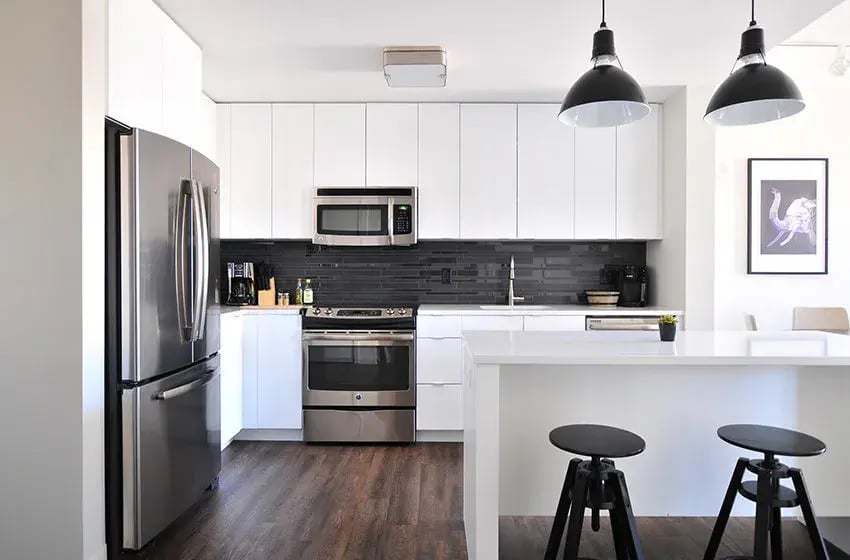
Costs rise as scope expands. A small kitchen remodel that includes custom cabinetry, upgraded countertop material, or changes to the kitchen design typically costs $45,000 to $50,000. Labor costs increase quickly when trades must coordinate tighter spaces or install higher-end finishes. Even without adding square footage, complexity drives project cost upward.
Changes to systems significantly affect kitchen renovation costs. Moving plumbing, adjusting gas lines, or expanding electrical work adds time, inspections, and coordination between trades. These factors explain why the kitchen remodel cost relationship does not scale down when the room is smaller. The same core work still applies.
Efficient planning helps control spending and protect return on investment, especially when compared against other best return on investment home improvements. A well-designed small kitchen renovation reduces wasted space and avoids unnecessary changes, saving money while improving functionality. When decisions are grounded in scope rather than size, homeowners gain a clearer picture of the costs of redoing and renovating a kitchen.
10x10 and 12x12 Kitchen Remodel Cost
A 10x10 kitchen remodel cost typically falls between $25,000 and $45,000 when the renovation stays within the existing layout and focuses on core upgrades such as kitchen cabinets, countertops, lighting, and finishes. This size is commonly used as a pricing reference because it reflects a complete but efficient kitchen renovation without added complexity. Costs stay closer to the lower end of kitchen renovation costs when plumbing and electrical locations remain unchanged.
A 12x12 kitchen remodel typically costs $35,000 to $50,000, as the additional space allows for more storage, larger work zones, or expanded kitchen features. The increased square footage increases material quantities and labor time, pushing the project cost higher even without structural changes. Adding features such as islands, custom cabinetry, or higher-end countertop materials moves the budget toward the upper end of the typical kitchen remodel cost range.
In both layouts, the existing layout has the greatest impact on kitchen remodel costs. Keeping appliances, plumbing, and electrical systems in place helps control labor costs and maintain predictability. Once circulation patterns change or systems are relocated, kitchen renovation costs increase rapidly, regardless of the kitchen size (10x10 or 12x12).
Kitchen Remodel Cost Breakdown
Labor Cost to Remodel a Kitchen
Labor costs account for 40% to 50% of most kitchen remodels and cost calculations. Kitchens require multiple skilled trades, including carpentry, electrical work, plumbing, and finish installation, which increases coordination time and overall labor costs.
Because the same trades are required regardless of kitchen size, labor costs do not decrease as square footage declines. Local market conditions also influence labor pricing, which explains why national averages can differ from local kitchen renovation costs.
Electrical work and plumbing changes tend to push labor costs toward the higher end of this range. Adding outlets, upgrading panels, relocating plumbing, or adjusting gas lines requires permits, inspections, and coordination among trades. These steps improve safety and compliance but increase both labor time and total project cost.

Most Expensive Parts of a Kitchen Remodel
The most expensive parts of a kitchen remodel often include cabinetry and mechanical changes. Kitchen cabinets, especially custom cabinetry, account for a large share of many budgets. High-quality materials and precise installation increase durability but also raise costs. Countertop material is another major factor, with natural stone and engineered surfaces costing more than basic options, as outlined in common types of countertops.
Structural changes also raise costs quickly. Moving walls, relocating plumbing, or altering ventilation systems adds complexity. These choices should be evaluated carefully against goals and budget.
Can You Remodel a Kitchen on a Budget?
Can You Redo a Kitchen for $5,000?
Redoing a kitchen for $5,000 is possible only under limited conditions and typically applies only to DIY projects. This budget generally supports surface-level home improvements such as painting, hardware replacement, or refinishing existing cabinets. It does not cover full kitchen renovation work or major system upgrades, especially once contractor labor costs are involved. Understanding how much is it to redo a kitchen at this level requires aligning expectations with scope and acknowledging that professional labor makes this budget unfeasible.
Projects at this range rely on preserving the existing layout and avoiding new materials. Labor costs must remain minimal or eliminated entirely, which usually means homeowners perform the work themselves. Choices focus on visual refresh rather than structural change. This approach works for short-term updates, not long-term transformation.
Is $10,000 Enough for a Kitchen Remodel?
A $10,000 budget offers more flexibility but still requires restraint and often remains DIY-heavy to stay realistic. This range may support a small kitchen remodel that replaces select finishes and updates appliances while keeping systems intact. It remains below the average kitchen remodel cost in most markets, even after contractor labor is included. Success depends on prioritization, limited scope, and careful material selection.
At this level, avoiding moving plumbing or electrical work is critical. Retaining existing cabinets and upgrading doors or surfaces can help control costs. When professional labor is added, this budget typically supports partial upgrades rather than a full kitchen renovation.
What Drives Kitchen Renovation Costs
Materials and Finishes
Materials strongly influence kitchen renovation costs. Choices such as custom cabinetry, premium countertop materials, and high-end fixtures add visual impact but increase costs. Durable finishes often provide better return on investment over time, especially in primary residences. Selecting materials involves balancing durability, appearance, and cost.
Kitchen design decisions shape how materials perform. Efficient layouts reduce waste and unnecessary complexity. Thoughtful selection can support remodels recouping more value over time.
Layout and Structural Work
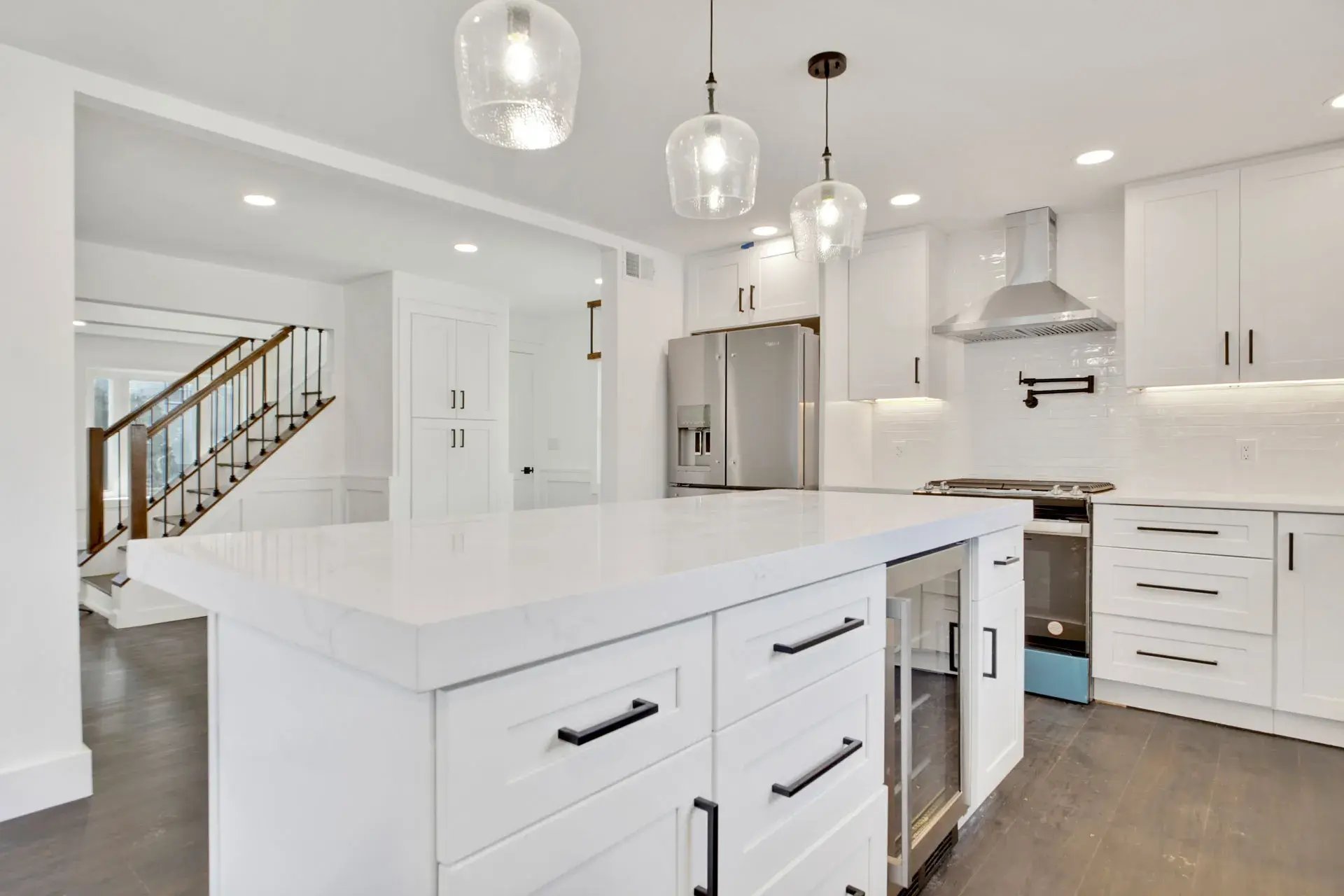
Layout changes are among the largest cost drivers in kitchen renovation projects. Altering the existing layout often requires moving plumbing, adjusting electrical work, and rerouting gas lines. These changes increase labor costs and permit requirements. Structural modifications add further expense.
Keeping the existing layout limits risk and cost. When changes are necessary, understanding their impact on the budget helps prevent surprises. Layout decisions should reflect long-term use, not short-term trends.
What Is the 30% Rule in Remodeling?
The 30% rule in remodeling suggests that a kitchen renovation should not exceed 30 percent of a home’s value. This guideline helps homeowners assess return on investment and avoid overbuilding. While not a strict rule, it provides context when evaluating large projects. Exceeding this threshold may limit financial return.
This rule works best as a planning tool rather than a limit. Market conditions, neighborhood standards, and personal goals matter. Evaluating kitchen renovation costs against long-term value supports informed decisions.
How Much Is It to Redo a Kitchen in Real Homes
Real-world projects often differ from national averages due to location and scope. Kitchens that keep systems in place and focus on finishes tend to align with mid-range pricing. Projects that involve plumbing and electrical upgrades move up the priority list. Understanding how much it costs to renovate a kitchen requires reviewing similar homes and conditions.
In many homes, kitchen renovations typically fall within the $25,000 to $75,000+ range. These figures reflect current labor costs, material pricing, and regulatory requirements. Real examples highlight why planning and clarity matter.
How to Estimate Your Kitchen Remodel Budget
Estimating a kitchen remodel budget starts with defining the scope. Homeowners should identify must-haves versus upgrades. Understanding cost breakdowns helps prioritize spending and save money where possible. Comparing estimates to national averages provides context, not certainty, especially when reviewing local project data such as Bergen County NJ kitchen remodeling.
Consulting experienced professionals supports accurate planning. David Haziza, Owner and Master of Construction, often emphasizes that clear planning and realistic expectations reduce risk and improve outcomes. A structured approach leads to better control over project cost and results.