


Updating an older home usually starts with practical work, not cosmetic ones. The best updates for a vintage house improve safety, function, and value first: refinishing hardwood floors, adding fresh paint, and updating light fixtures. Kitchen and bathroom improvements come next, along with repairs to exterior damage and outdated electrical, plumbing, or HVAC systems.
The right starting point depends on the home's condition, budget, age, and scope of work. A complete plan should cover what to update first, what to preserve, what needs permits, and what to expect for cost and time.
The sections below cover priorities, typical costs by project type, and what to expect for permits and timelines. Renovation costs in Bergen County and NYC tend to run higher than the national figures referenced throughout this guide.
Key Takeaways
- Start with structural and systems work before any cosmetic updates. Electrical, plumbing, and roofing issues in an older house must be resolved before finishing work begins.
- Kitchen and bathroom renovations return the most value in most home remodeling projects. Nationally, a minor kitchen remodel, cabinet refacing, new countertops, updated appliances, costs around $28,000 and adds about $32,000 in resale value, the strongest return of any interior project tracked. Full gut kitchen renovations cost more but return a smaller share of that spend.
- Permits are required for most regulated work nationwide, including electrical, plumbing, structural changes, and additions, though exact requirements vary by state and municipality. Skipping permits creates problems at resale and can require costly corrections.
- The 30% rule sets a general ceiling for renovation spending at 30% of the home's current market value. It helps prevent over-investment in projects the local market will not support.
- Original features in an older house, including hardwood floors, trim, and built-in details, are worth preserving when their condition allows. Removing them without comparable replacements typically reduces both character and resale value.
Best Renovation Ideas for Old Homes
Each of these updates carries a different cost and time investment. Here's what to expect for each one.
- Refinish original hardwood floors when they're still in good condition. Cost: $3 to $8 per square foot. Time: 3 to 5 days per room, plus a couple of days of dry time before foot traffic returns.
- Add a fresh coat of paint to walls, ceilings, doors, and trim. Cost: $2 to $6 per square foot. Time: A weekend for one room, one to two weeks for a full interior.
- Update old light fixtures, cabinet hardware, and faucets. Cost: $50 to $500 per fixture, depending on style and whether rewiring is involved. Time: A few hours per fixture.
- Improve kitchen and bathroom surfaces before changing layouts. Cost: $2,000 to $10,000 for countertops, backsplash, and cabinet refacing. Time: One to two weeks.
- Repair roofing, siding, drainage, and foundation issues early. Cost: A few hundred dollars for spot repairs, $8,000 to $20,000 or more for a full roof replacement. Time: A few days for repairs, one to two weeks for a full roof.
- Replace outdated electrical, plumbing, or HVAC systems before finishing work. Cost: $5,000 to $25,000 or more, depending on the home's size and how much of the system needs replacing. Time: One to three weeks, since this work happens inside walls before finishing starts.
- Preserve original doors, trim, built-ins, and moldings when possible. Cost: A few hundred dollars per piece for repair, several thousand for full replacement with comparable materials. Time: Varies with the extent of the damage.
Simple, Low-Cost Updates That Add Value
Not every project needs structural work. Some of the best updates are simple and inexpensive. A fresh coat of paint on walls, ceilings, and trim remains one of the most cost-effective changes available.
Swapping out old light fixtures can update a room quickly, especially when the existing wiring is safe and no major electrical work is needed.
Kitchen Renovations and Bathroom Updates
Kitchen updates in an older house often start small. New cabinet doors, hardware, countertops, or appliances can modernize a kitchen without moving walls. Bathroom improvements follow the same logic. Replacing a vanity, fixtures, and flooring brings a bathroom up to date without a full demo.
For projects involving shower work, shower remodel costs vary based on tile, layout changes, and whether plumbing needs to be moved. Both rooms benefit from targeted updates when the plumbing and layout still work well.
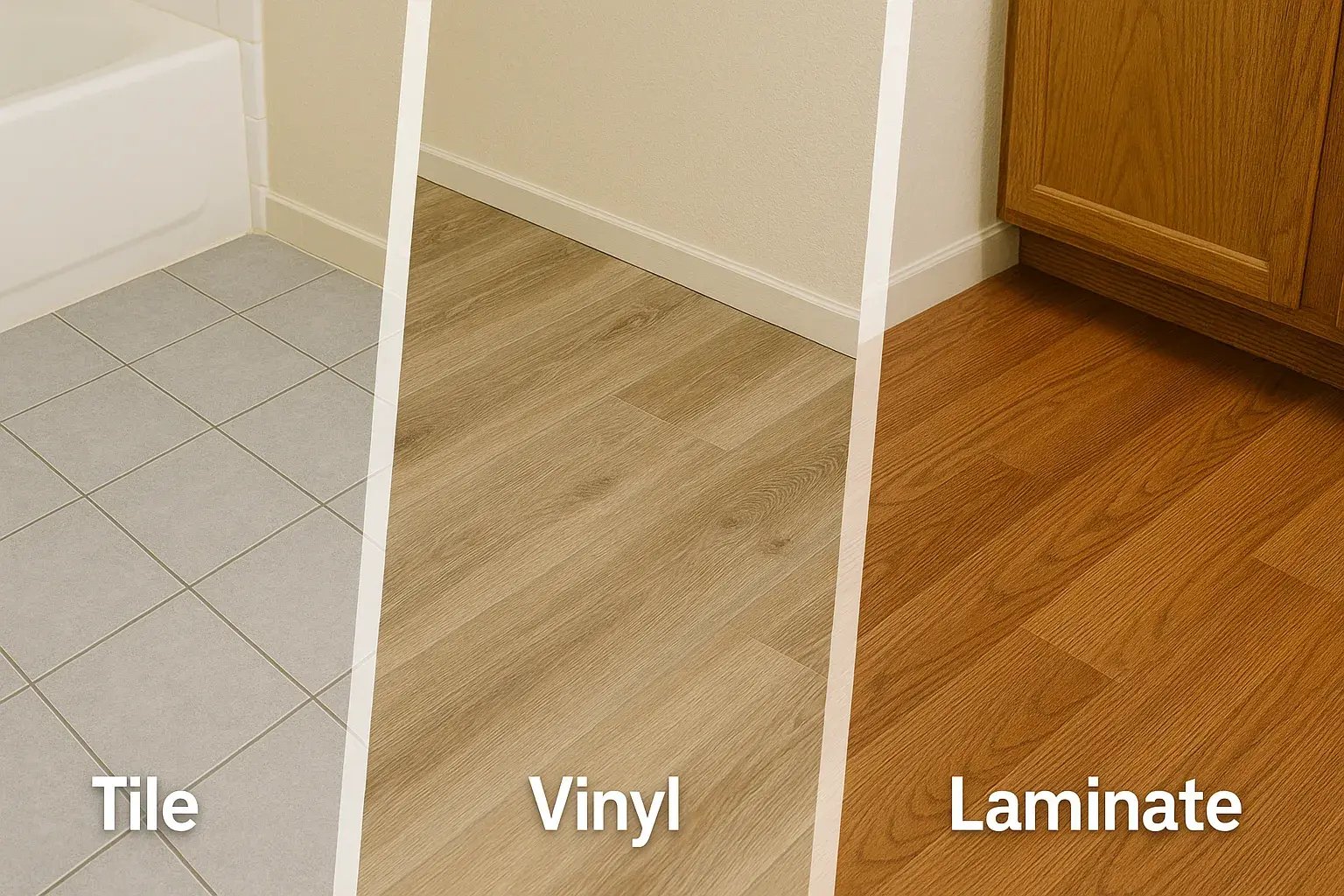
Flooring, Trim, and Interior Finishes
Many homes built before 1970 have original hardwood floors hidden under carpet or vinyl. Sanding and refinishing those floors is a high-value upgrade that restores the home's original look and can improve resale value. Trim and moldings show wear over time in a vintage house.
Repairing or replacing damaged trim keeps the interior character intact without major work.
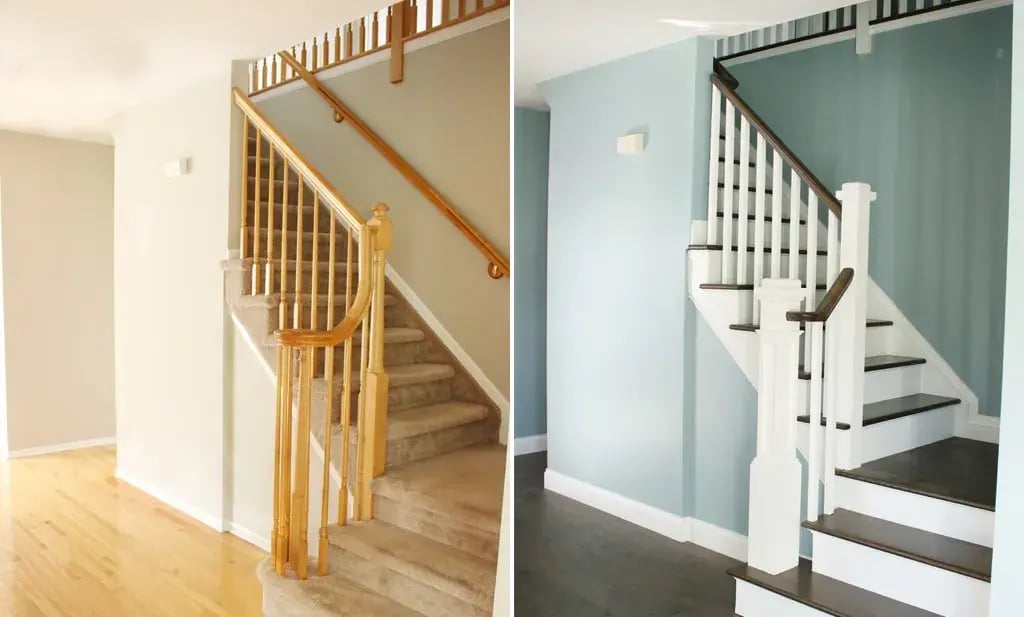
Modernizing an older house means more than new finishes. It often means fixing systems that were built for older codes and older habits.
Updating Electrical, Plumbing, and HVAC
Homes built before 1970 often have wiring and pipes that are past their useful life. Old panels, knob-and-tube wiring, and galvanized steel pipes are common findings. These need to be replaced when they pose safety risks or fail inspection.
Every system has a working lifespan. Asphalt roofing typically lasts 20 to 30 years, and galvanized steel plumbing often reaches 40 to 60 years before it corrodes. Electrical panels installed decades ago may not carry the load modern households need.
A home inspection before renovation work begins pinpoints what's near the end of its life versus what still has years left. That helps prioritize where the budget goes first.
New HVAC systems can improve comfort, airflow, and energy use when the existing system is outdated or poorly sized. All of this work happens inside walls, so it must be done before any finish work starts.
Basement and Attic Conversions
Converting a basement or attic adds living space without changing the home's footprint. Basements need waterproofing, egress windows, and insulation before finishing begins. Attic work depends on ceiling height, load capacity, and stair access.
Both projects can add value when done well. Basement finishing typically runs $30 to $75 per square foot nationally, depending on plumbing, egress, and insulation needs.
When to Restore vs. When to Replace
Remodeling an older house means deciding what stays and what goes. Original windows, doors, floors, and trim often have qualities that new materials cannot match. When those elements are in good shape, restoring them is the better choice.
When they're damaged or out of code, replacement makes more sense.
Exterior Updates That Protect Value
Siding, Roofing, and Structural Repairs
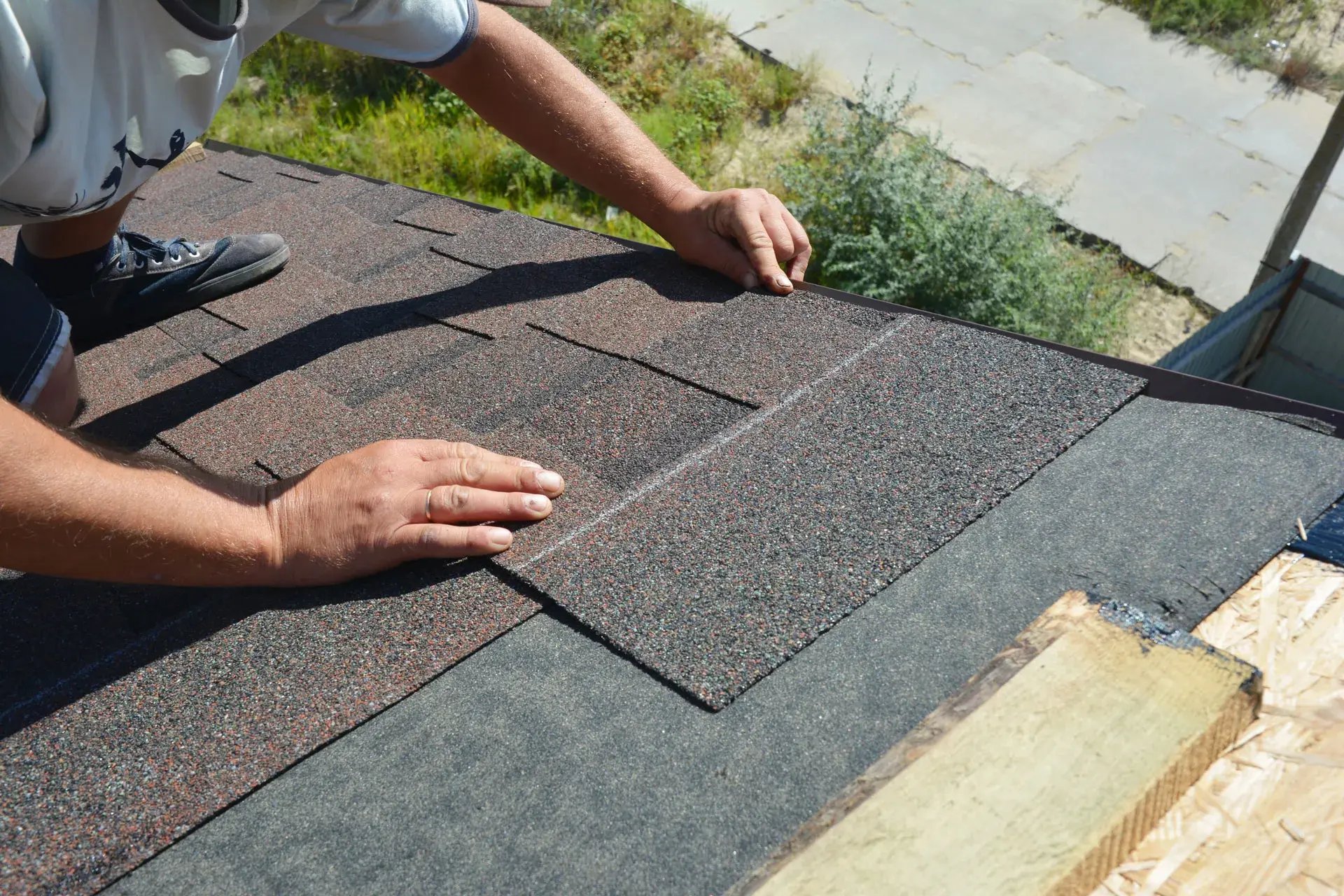
The outside of an older house takes constant weather damage. A failing roof lets water into the structure, which causes framing damage, mold, and insulation loss. Siding repairs control moisture and improve the home's look.
Foundation problems, including cracks, water, and grading issues, need review before any interior work begins.
Curb Appeal Updates That Hold Value
A new front door, updated exterior lighting, and fresh landscaping offer some of the best returns per dollar spent. Repainting shutters, replacing a garage door, and fixing walkways also add value.
Adding or rebuilding a patio extends usable outdoor space and supports both curb appeal and resale value. These updates cost less than full renovations but signal good upkeep to buyers and appraisers.
In What Order Should You Renovate an Old House?
The order of work matters. Doing things out of sequence often means redoing them later. The right order goes from structural to mechanical to finish work. Permits come before any regulated work begins.
What Contractors Find in Older Homes First
Older homes often hide problems that aren't visible from the outside. Hidden water damage, old wiring, worn pipes, and framing that doesn't meet current code are common finds once walls open. These issues affect cost and timeline.
That's why experienced contractors build a contingency into every older home estimate.
Permits and Code Requirements
Structural work, electrical, plumbing, HVAC, and additions need permits in nearly every U.S. jurisdiction, though specific rules vary by state and municipality. In New Jersey, for example, permits cover all of the above and include inspections at multiple stages.
Unpermitted work creates problems at resale and can require removal or correction after the fact. Skipping permits on regulated work is not a good idea, no matter how small the project.
Historic District and Landmark Approvals
Homes in a designated historic district or with individual landmark status often face an added layer of review beyond standard permitting. Local preservation boards may require approval before exterior changes, and sometimes before certain interior work, in homes with protected architectural features.
This review typically covers window and door replacement, exterior paint colors, roofing materials, and additions visible from the street. It protects a neighborhood's architectural character, but it also adds time to a project.
Confirm a property's historic status with the local zoning or planning office before finalizing design plans. Approval timelines can run from several weeks to a few months depending on the jurisdiction.
Renovating a 100-Year-Old House: What to Expect
Homes that are 100 years old or older come with specific challenges. Lead paint and asbestos are common in pre-1978 construction. Both need testing and proper removal before work begins. Framing sizes, ceiling heights, and wall depths also differ from modern standards, which affects how materials are selected and installed.
Preserving Original Character
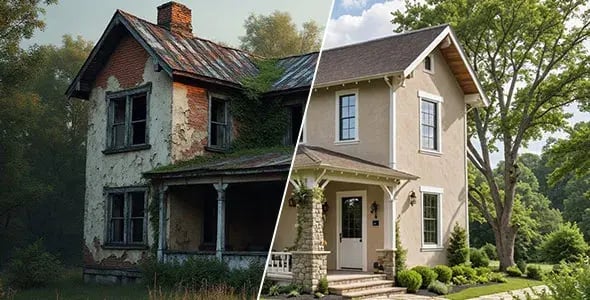
Original details in a century-old home can add architectural and resale value. Plaster walls, built-in cabinets, wood floors, and decorative moldings are hard to replicate with modern materials. When these elements are still sound, preserving them protects both character and value.
A recent full renovation of a brick colonial in Tenafly shows how this works in practice. The home's original white-washed brick exterior needed to stay intact, so the masonry crew matched new brick additions to the existing texture and color by hand instead of replacing the full facade. Inside, the living room kept its original trim, crown molding, and wainscoting, repainted rather than removed.
The project also added a basement-level extension with a playroom and bathroom, plus a rebuilt walkway and entry. It took about six months from start to finish, including backyard excavation for drainage work, a typical timeline for a project that combines structural additions with detailed masonry matching.
What Adds the Most Value When Remodeling an Old Home?
Kitchen and bathroom updates often deliver some of the strongest resale impact in an older house, especially when they improve layout, function, plumbing, ventilation, or daily use.
These projects also tend to appear on lists of the best return on investment home improvements, though the actual return depends on the home's condition, local market, and quality of work.
High-Value Renovation Projects
Nationally, a minor kitchen remodel, cabinet refacing, new countertops, and updated appliances, costs around $28,000 and adds about $32,000 in resale value, a return of nearly 113 percent, according to the 2025 Zonda Cost vs. Value Report. It's the only interior project to crack Zonda's national top five for return on investment.
Full gut kitchen renovations cost far more and return a smaller share of that spend, though they still add real value when the layout or systems genuinely need it. Bathroom additions and master suite expansions follow a similar pattern. Finished basements, home additions, and strong exterior work also drive value increases when the work is done well.
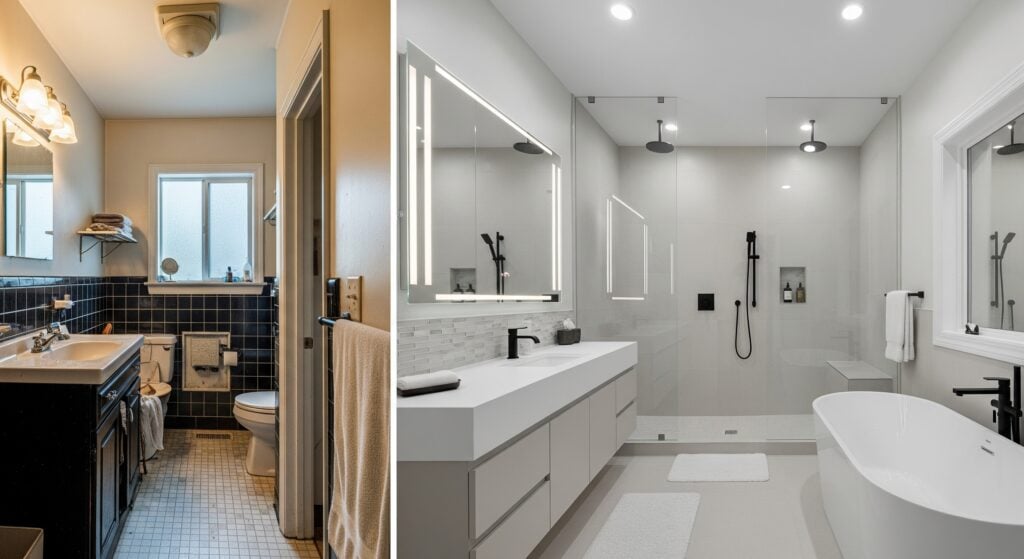
A recent master bathroom renovation in Closter shows what a high-end bathroom project looks like, well beyond a typical remodel. The project converted an existing room into a fully enclosed shower with a rain showerhead, added a large-format marble tile floor to ceiling, and installed a freestanding tub as the room's focal point. A separate toilet compartment, skylight, and double vanity rounded out the layout.
Projects at this scope typically run $50,000 to $80,000, well above the $15,000 to $35,000 range for a standard bathroom remodel, driven by custom tile work, structural changes, and coordinating several licensed trades. It's a useful benchmark for what separates a mid-range bathroom update from a true high-end renovation.
What Devalues a House Most
Unpermitted work, deferred maintenance, and cosmetic fixes that hide deeper problems all hurt buyer confidence. Spending far more than nearby homes support limits your return. Removing original features without good replacements also reduces appeal in an older house, where character is part of what buyers pay for.
Budget-Friendly Updates for Older Homes
The best budget-friendly options are paint, refinished floors, updated hardware, light fixtures, minor kitchen improvements, landscaping, and targeted repairs. These updates improve appearance without the cost of a full remodel.
The 30% Rule for Renovations
The 30% rule suggests keeping total renovation spending under 30% of the home's value. On a $500,000 home, that's a rough ceiling of $150,000. This is a planning guide, not a strict limit. It helps prevent overspending on projects the market won't support.
Where to Spend vs. Where to Save
Spend on structural repairs, systems, and kitchens. These return more than luxury finishes in secondary rooms. When working with a limited budget, focus on work that affects safety, function, and buyer appeal.
Paint, hardware, light fixtures, and landscaping cost less and still deliver visible results. Paint and hardware can happen this year; a kitchen countertop or bathroom vanity upgrade can wait for next year's budget.
Old Home Renovation Costs and Timelines
Cost Ranges by Project Scope
National averages for renovating an older house typically run:
- Kitchen remodel: $15,000 to $45,000
- Bathroom remodel: $10,000 to $25,000
- Basement remodel: $20,000 to $50,000
- Full home renovation: $100 to $150 per square foot
- Home addition: $150 to $300 per square foot
Costs run higher in expensive markets. New Jersey and the greater New York metro area run meaningfully above national averages, driven by labor rates, permit fees, and older housing stock. General cost ranges for Bergen County and nearby areas include:
- Kitchen remodel: $25,000 to $75,000+
- Bathroom remodel: $15,000 to $35,000+
- Basement remodel: $30,000 to $70,000+
- Full home renovation: $100 to $250 per square foot
- Home addition: $250 to $400+ per square foot
Final costs depend on the home's current condition, material choices, and how much system work is needed.
How Long Each Project Takes
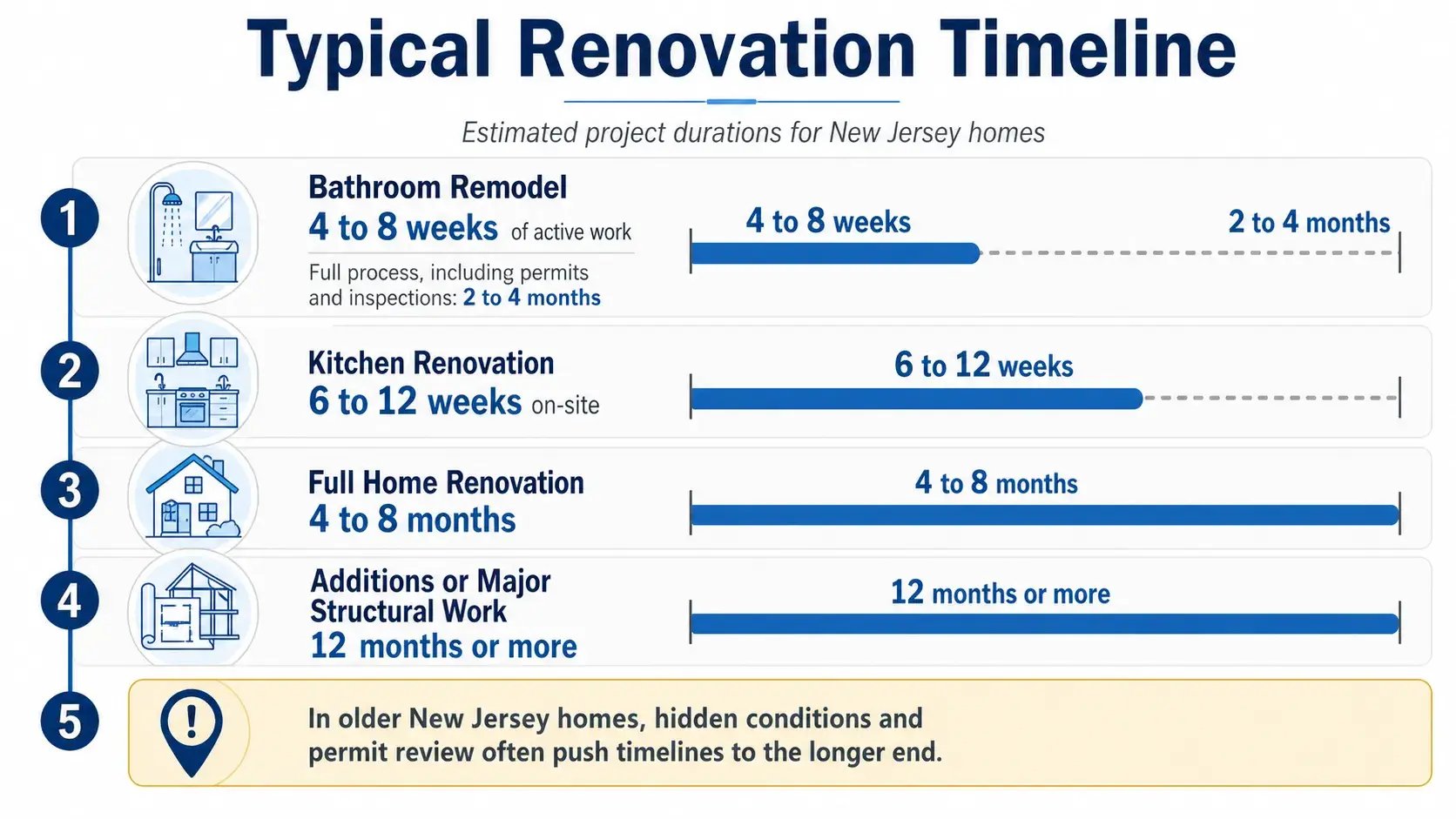
Bathroom remodels vary by scope: 2 to 4 weeks for a cosmetic refresh, 4 to 8 weeks for a mid-range update, and 2 to 4 months from start to finish for a full remodel once permits and inspections are factored in. Kitchen timelines follow the same pattern: 3 to 6 weeks for cosmetic updates, 6 to 10 weeks for a mid-range remodel, and 8 to 12 or more weeks on site for a full gut renovation.
A full home renovation runs anywhere from 2 to 12 or more months depending on scope, and projects with additions or major structural work tend to land at the higher end.
In older homes anywhere in the country, hidden conditions and permit review often push timelines toward the longer end. That's especially true in markets like New Jersey, where municipal review and winter scheduling can add extra weeks.
A full gut renovation in Cresskill is a useful example of how these ranges play out on a complicated project. For a full cost breakdown of this type of project, see the cost to gut and renovate a house guide.
The scope included correcting incomplete electrical work left by a previous contractor, full hardie plank siding replacement, and a kitchen and dining area built around new custom cabinetry.
Because the homeowner had already ordered cabinetry and fixtures, and because replacement windows were ordered immediately to cover a three-week lead time, the project moved efficiently once work began. It took about four months from start to finish for a full gut covering both exterior and interior scope.
That timeline sits within the typical range for full renovations. It also shows how much upfront ordering and material lead times affect the schedule, especially when correcting a previous contractor's unfinished work adds time before new work can start.
How to Choose a Contractor for an Old Home
Older homes need contractors with direct experience in pre-war and mid-century construction. A contractor who builds new homes isn't always the right fit for a 1920s colonial or a 1940s cape.
For any general contractor you consider, licensing, insurance, and a clean permit history are the minimum. References from similar older home projects usually tell you more than a contractor's website alone. David Haziza, Owner and Master of Construction at A2Z Construction Management, has led projects ranging from single-room updates to full gut renovations across New Jersey and New York.
In an older house, the planning phase matters most. Condition review, permit sequencing, and trade coordination set the pace for everything that follows. A contractor who handles that process well reduces the risk of cost overruns and rework.